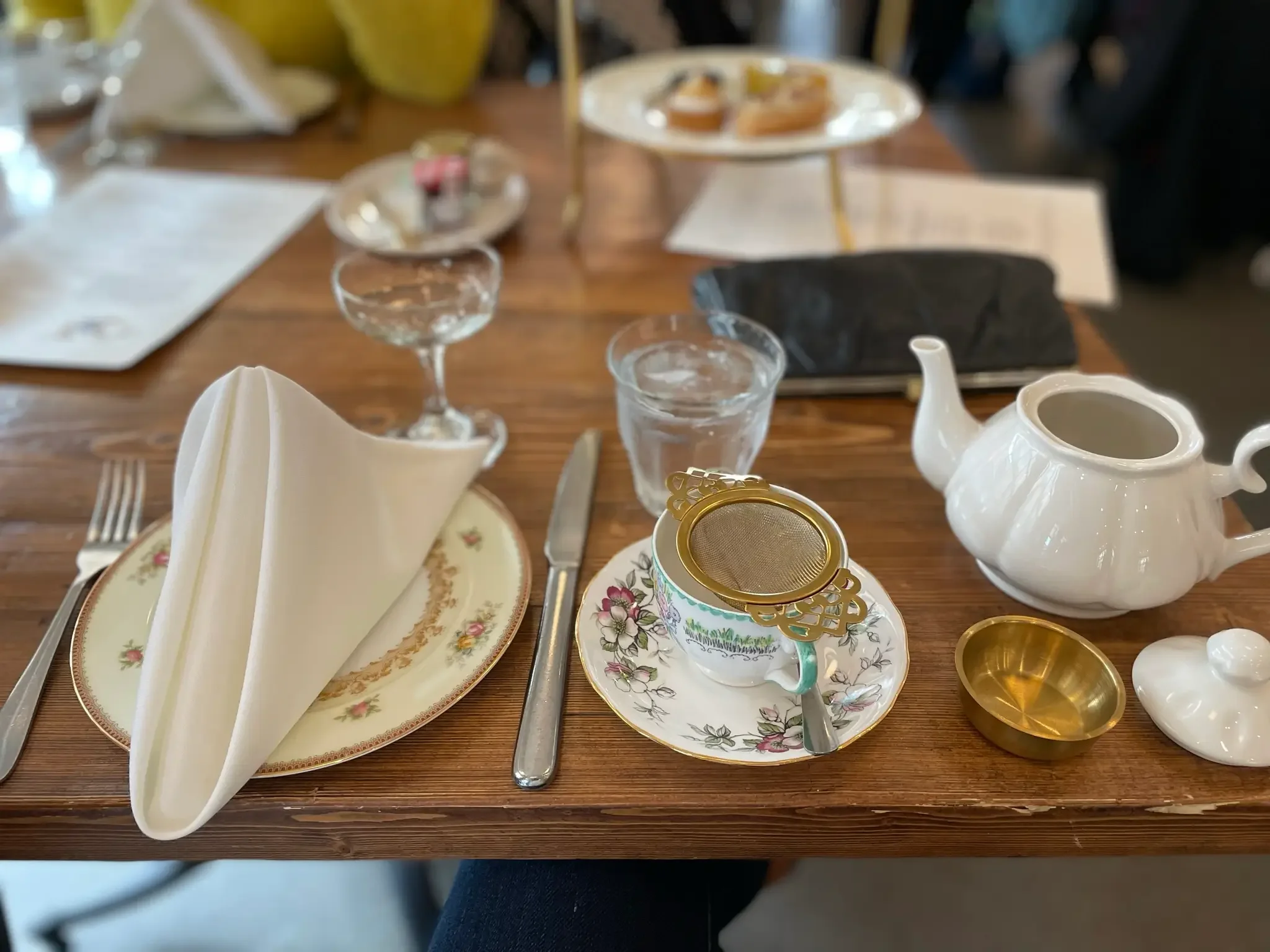
Hosting tea is a timeless and elegant tradition- whether to celebrate an occasion or just to feel posh. This blissful ceremony is steeped in tradition, but can be daunting to know what and how to serve.
What is High Tea vs. Afternoon tea? What is a traditional tea service? What is etiquette and what are faux pas? Here is everything you need to know to confidently host or be a gracious guest.
Hosting an Afternoon Tea
Hosting Tips & Tutorials
The Menu
Sweet
Savory
Fancy PB& J’s
Toasted Cheese Points
This site intentionally avoids intrusive ads. I provide links to relevant products where used in the tutorials as an Amazon Associate. I do when there’s a value in knowing and sharing the product used.Tea 101
A Quick Guide to Understanding the Varieties
Being familiar with the types of tea can help you offer a smart variety for your guests. Some teas have properties that make them off-limits to people with certain health conditions. Offering a diversity across types helps ensure a selection for these reasons as well as flavor profiles.
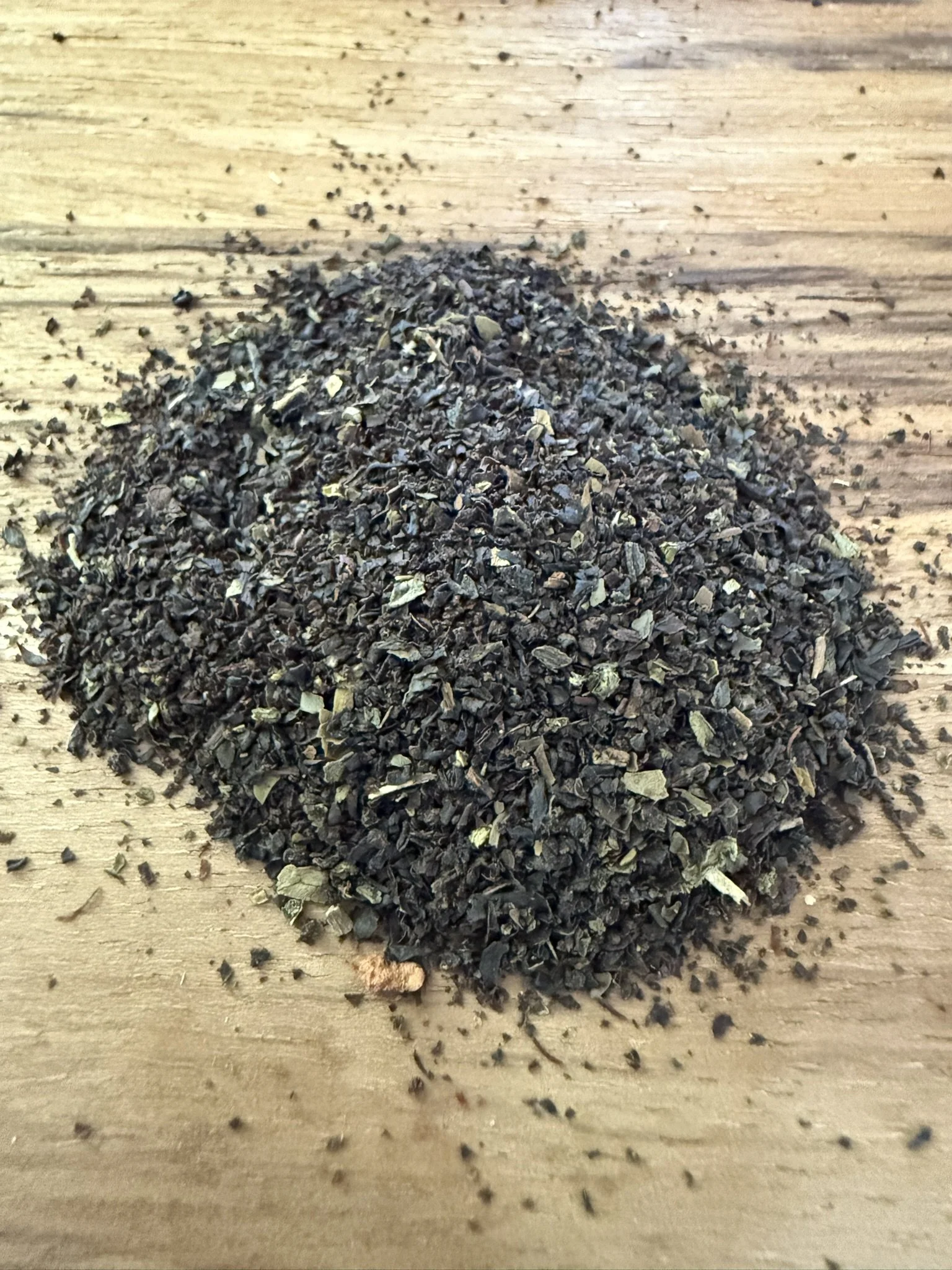
Black Tea
How is it made: The tea is fully oxidized, responsible for the dark color and boldness.
Flavor profile: Bold and robust. Flavors vary much based on origin and sub-varieties- but can range from earthy and smoky to sweet and floral.
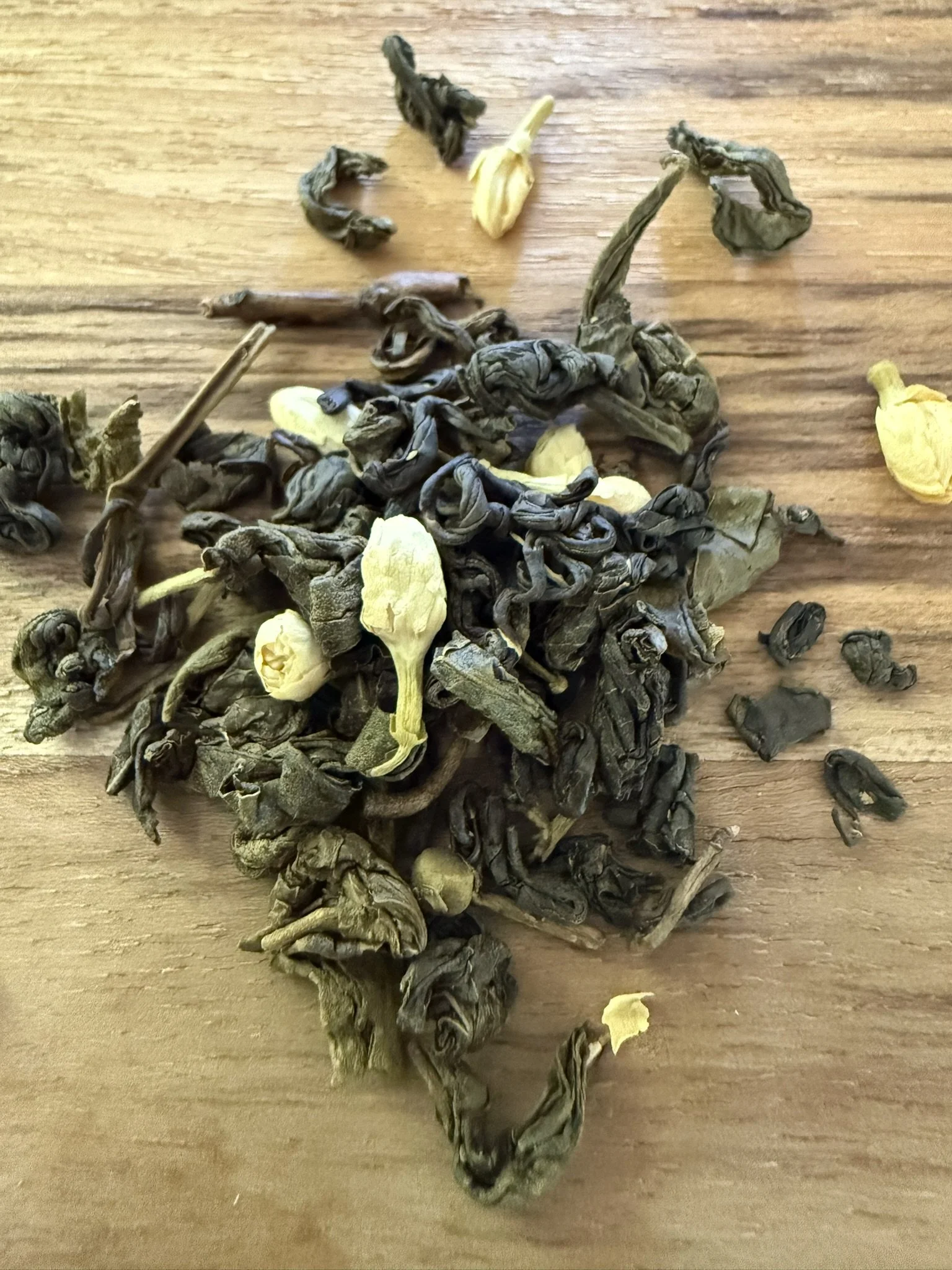
Green Tea
How is it made: The tea leaves are flash heated after harvesting to lock in the nutrients and stop the enzymes from oxidizing.
Flavor profile: Herbaceous and grassy. Also depends on variety, can range from umami-like to nutty.
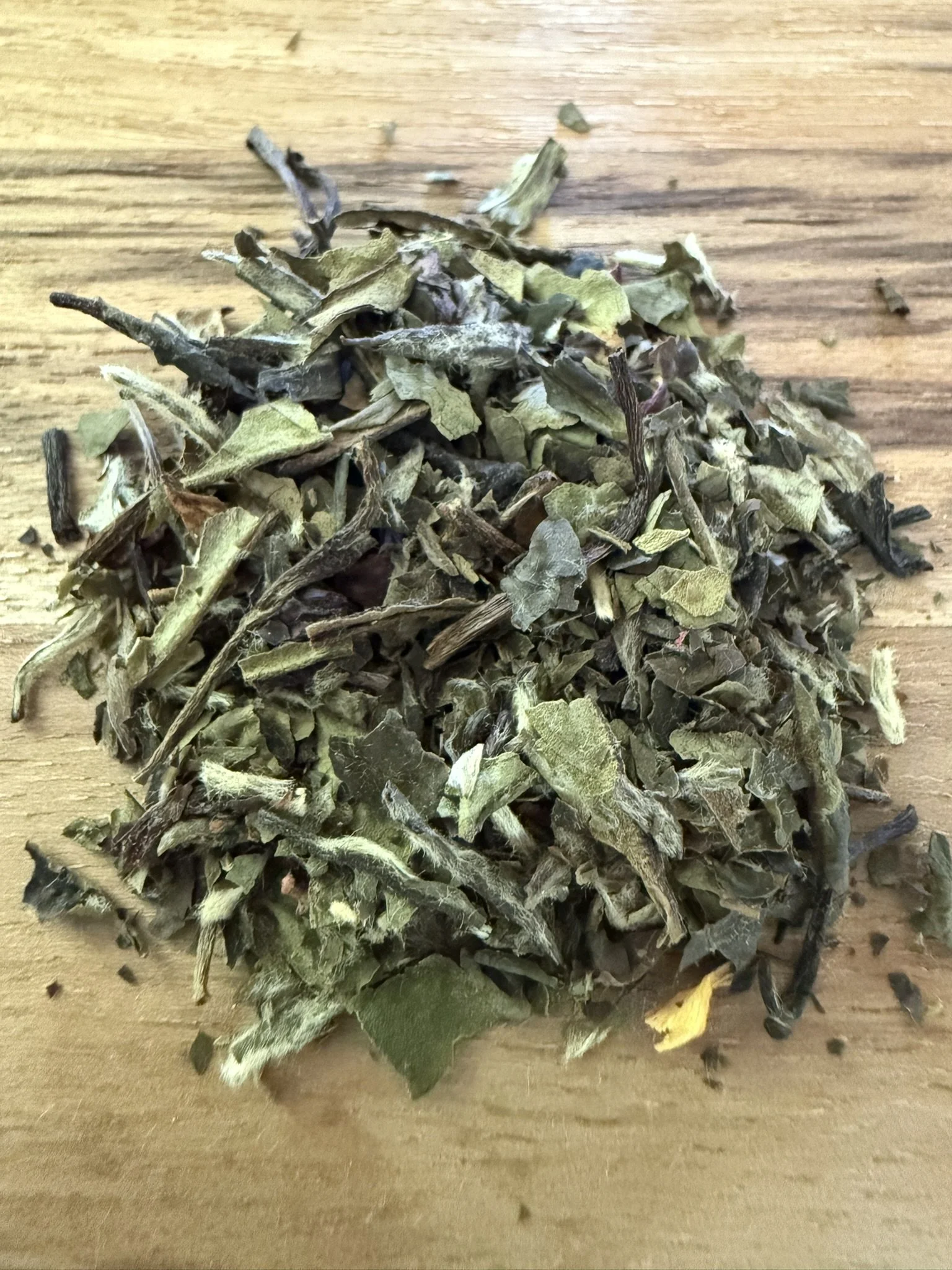
White Tea
How is it made: The least processed variety- the tea leaves are harvested when just young buds. They are air dried as is for very little oxidation.
Flavor profile: Floral and fruity, delicate.
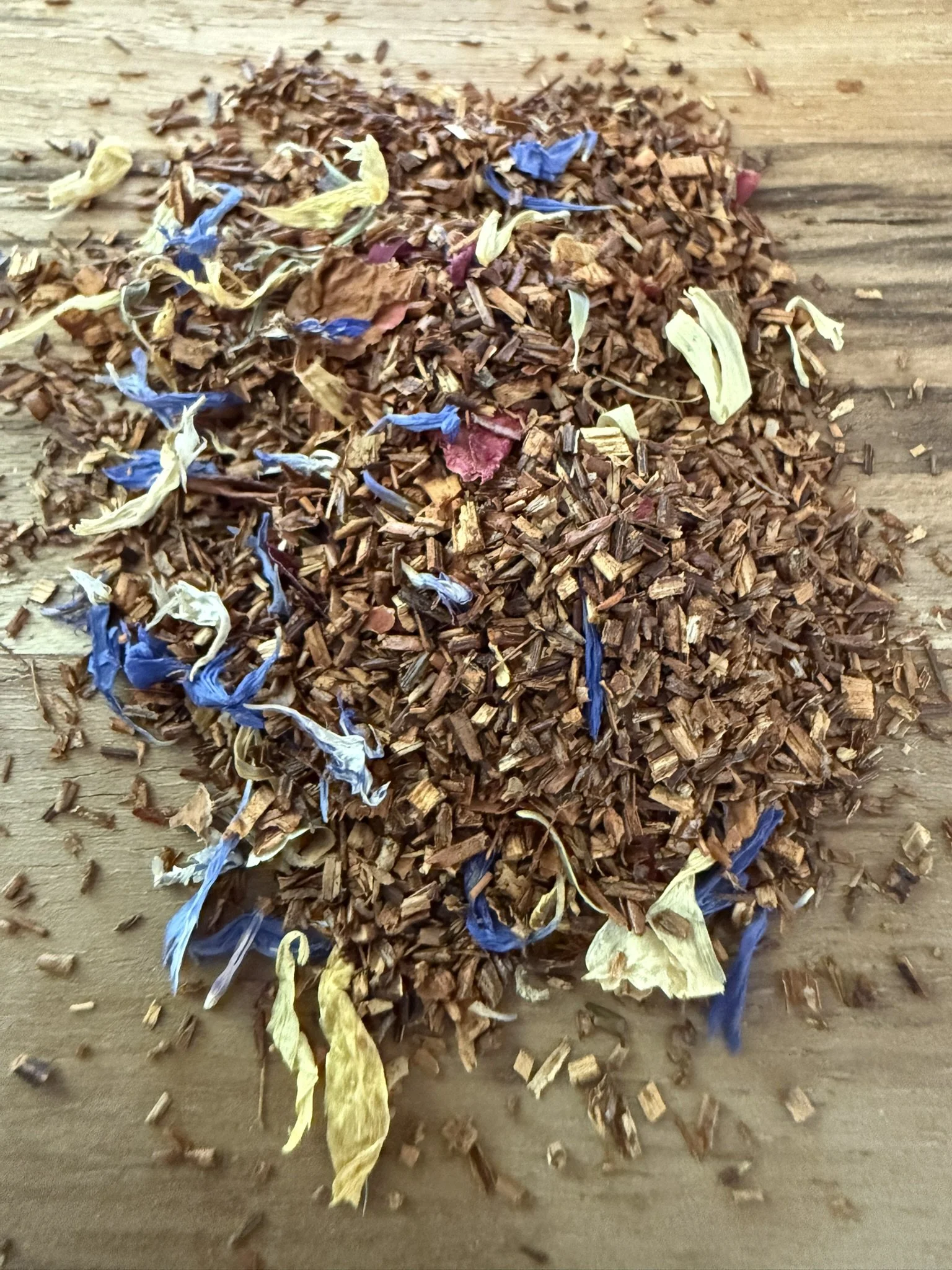
Rooibus (roy-bus)
How is it made: It’s not technically tea as it’s not made from the Camellia Sinensis plant, but from a South African herb, making it actually a tisane.
Flavor profile: Red rooibus: nutty, sweet; green rooibus: grassy
Oolong Tea
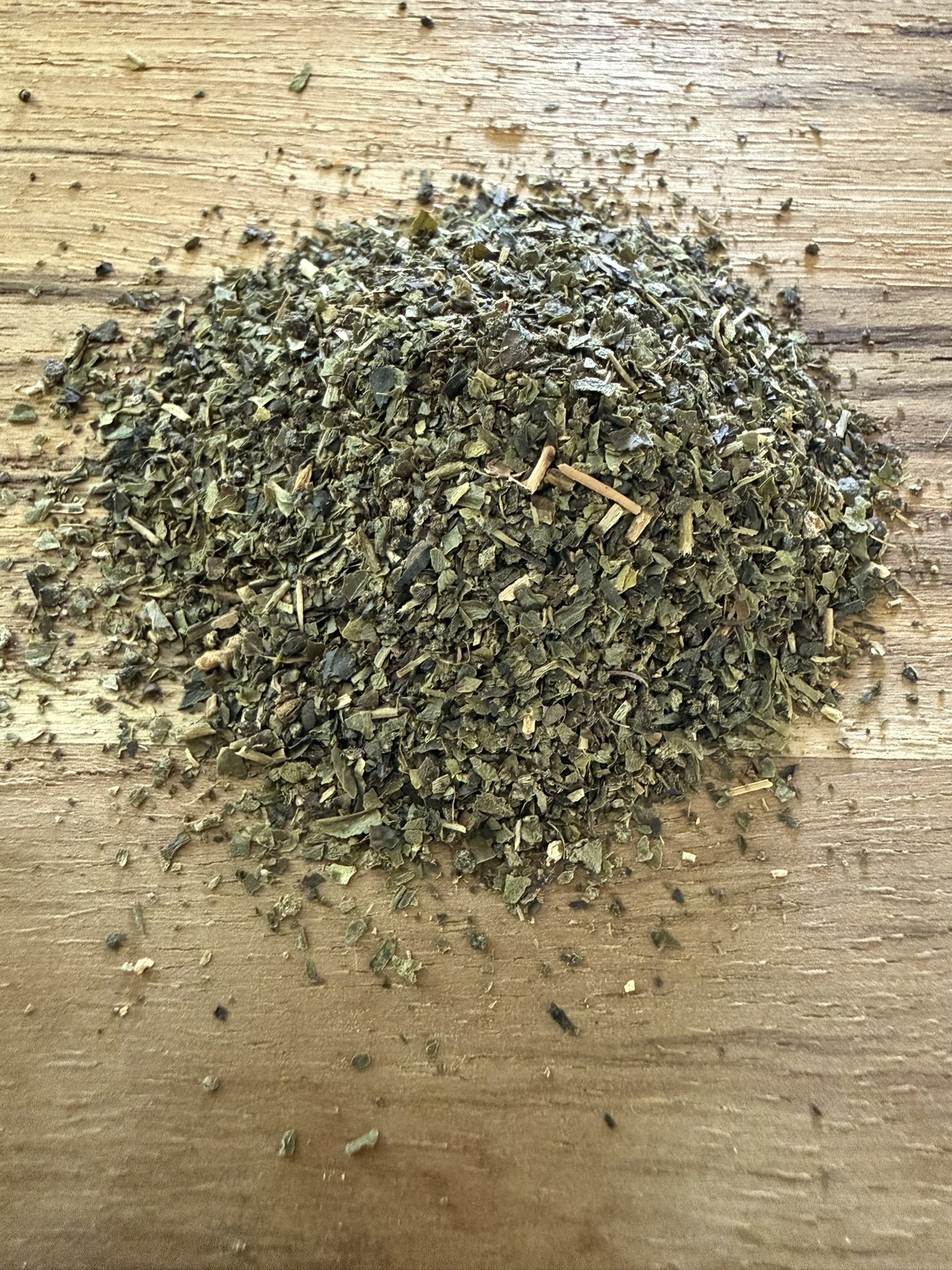
How is it made: The leaves undergo a multi-phased process of bruising and crushing to achieve specific oxidation profiles.
Flavor profile: A balance between green tea and black tea, the profiles vary depending on oxidation level. Light oolongs (with lower oxidation) are more floral and vegetal. Dark oolongs are smoky, like roasted cocoa or fruit.
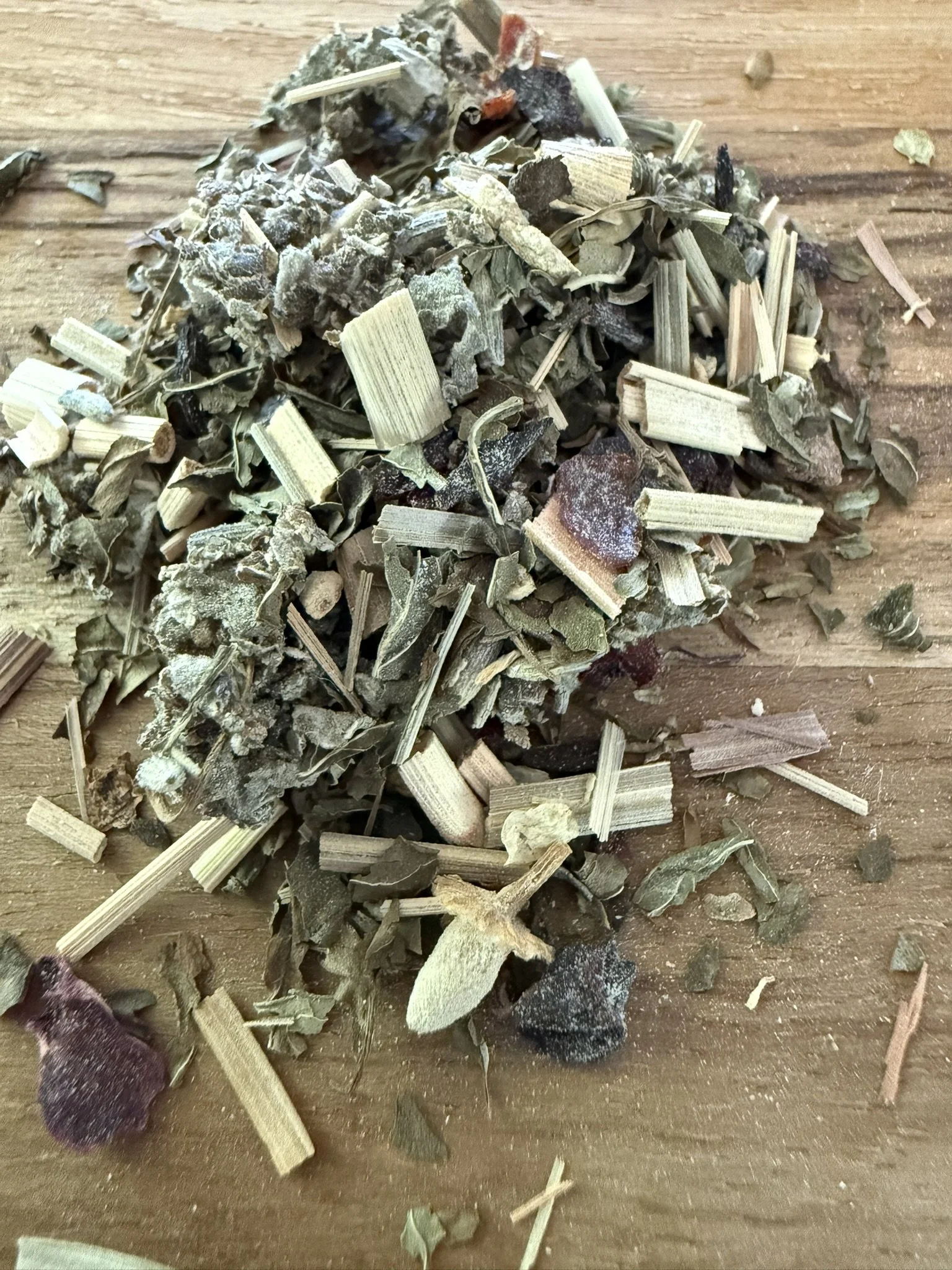
Herbal
How is it made: Similarly, herbal teas are actually tisanes- steeped botanical parts (leaves, roots, stems, flowers, or seeds).
Flavor profile: Hugely diverse based on the plant specie and part of the plant used.
Some examples:
Chamomile (apple-ish)
Mint
Lavender (floral)
Rose
Cinnamon
Tumeric (sharp, pungent)
Ginger (zesty)
Hibiscus (tart, cranberry-like)
Note: Some people cannot drink herbal teas due to medical conditions or sensitivities- like during pregnancy. Conversely, herbal tea is usually caffeine-free, which is more suitable for other conditions.
Some recommended teas to try for various palettes:
Some of my favorite smooth and delicate blends:
Harney & Sons Dragon Pearl Jasmine Green & White Tea
Harney & Sons Cherry Blossom Green Tea
The Republic of Tea Milk Oolong Tea
For those with a sweet tooth- some great options:
Good Earth Sweet & Spicy Herbal Tea (caffeine free)
Steeping Options
There are many options for steeping- based on if you are brewing a single cup or a full pot. Both service options are used in hosting Afternoon Teas.
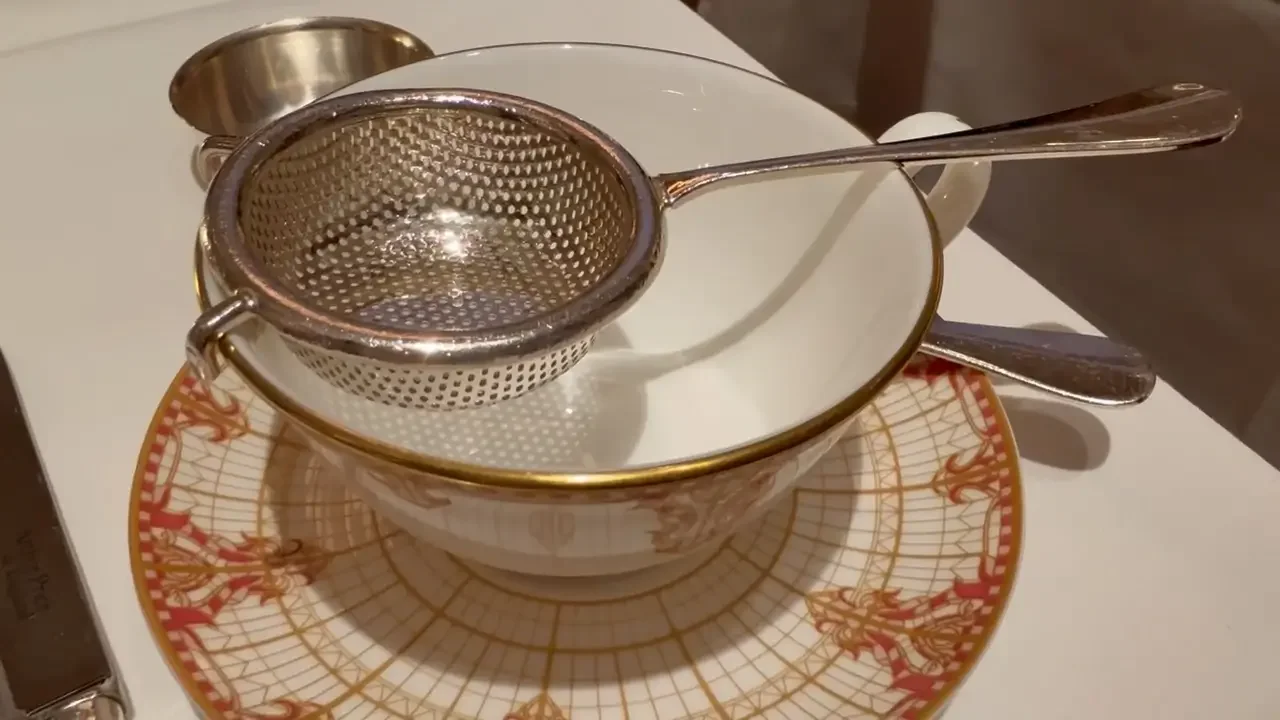
Cup-Fitting Diffuser
Pros: Easy to use and add to tea to; easy to clean
Cons: Takes up a tad more cupboard space than wands, but really no big downsides
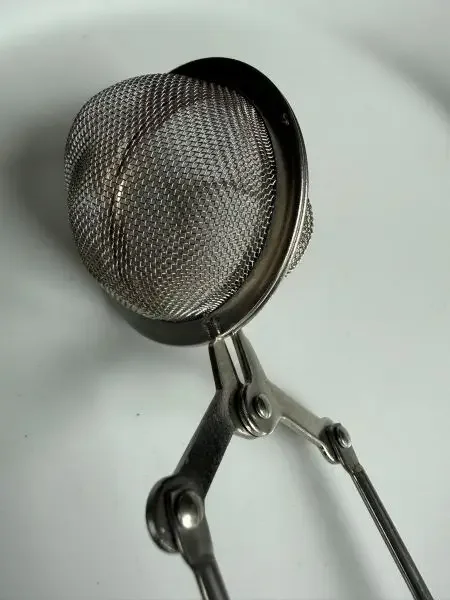
Spoon or wand
Pros: One step to scoop up tea and steep, small profile to own in quantities
Cons: Can be tricky to use in small containers, finicky to clean
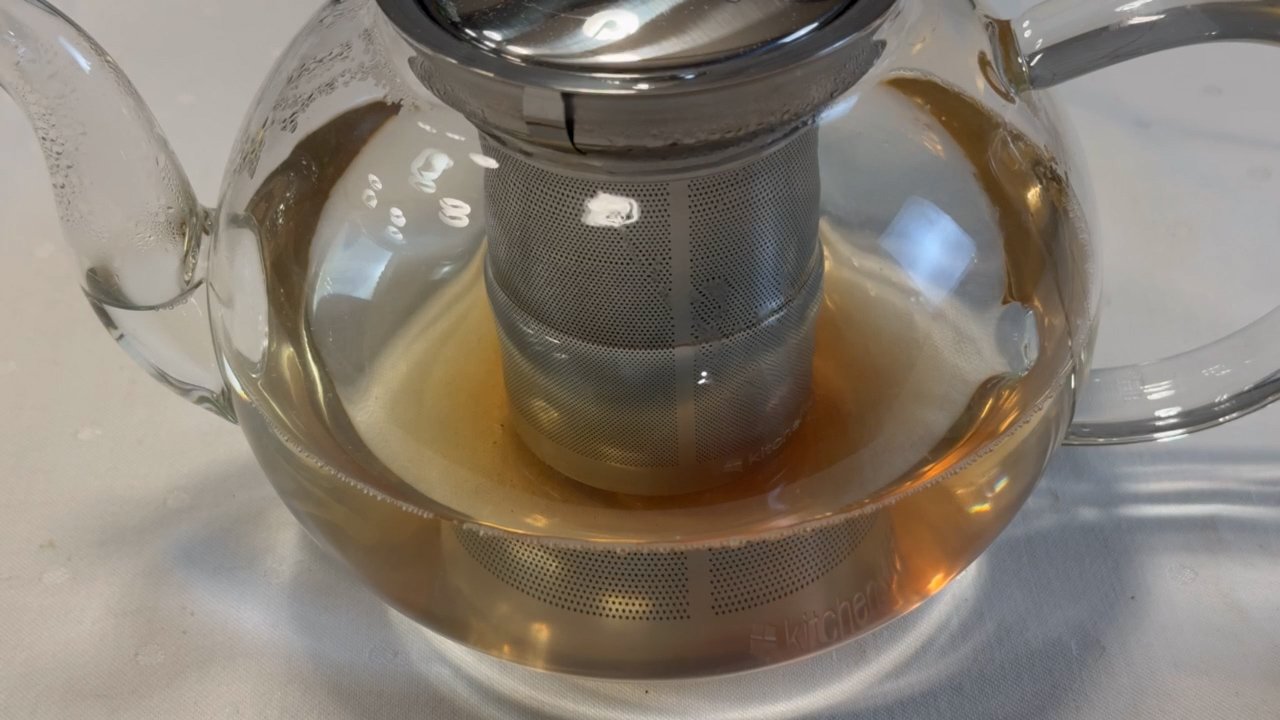
Teapot with Diffuser
Pros: Serves a small group effortlessly, elegant
Cons: Still requires a kettle to heat the water then transfer; glass loses temperature quickly; best for small groups to serve not long after steeping- steeping too long causes bitterness
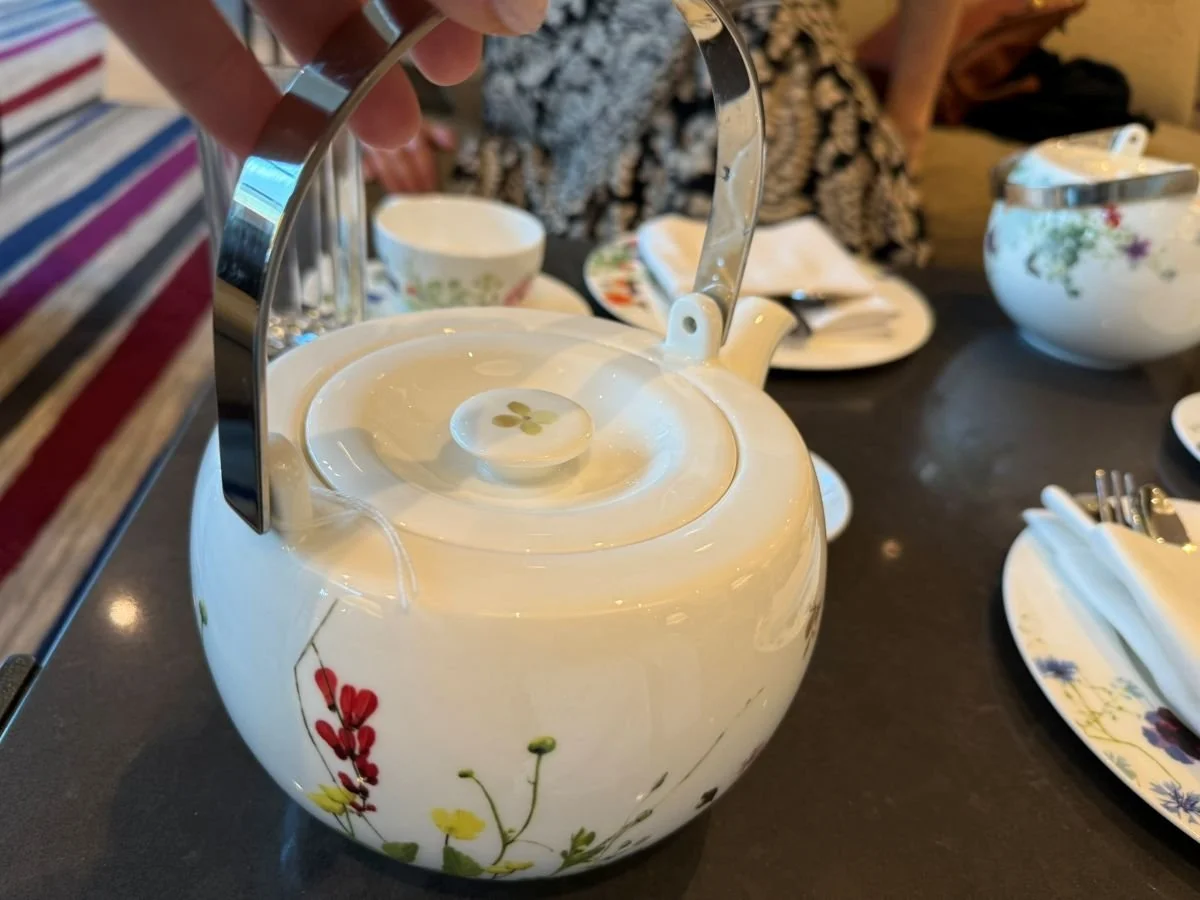
Teapot
Pros: Easy hosting for group as guests can refill themselves; provides most control for tea strength/weakness based on personal preference.
Cons: Bulky to store, may be impractical for the occasional host
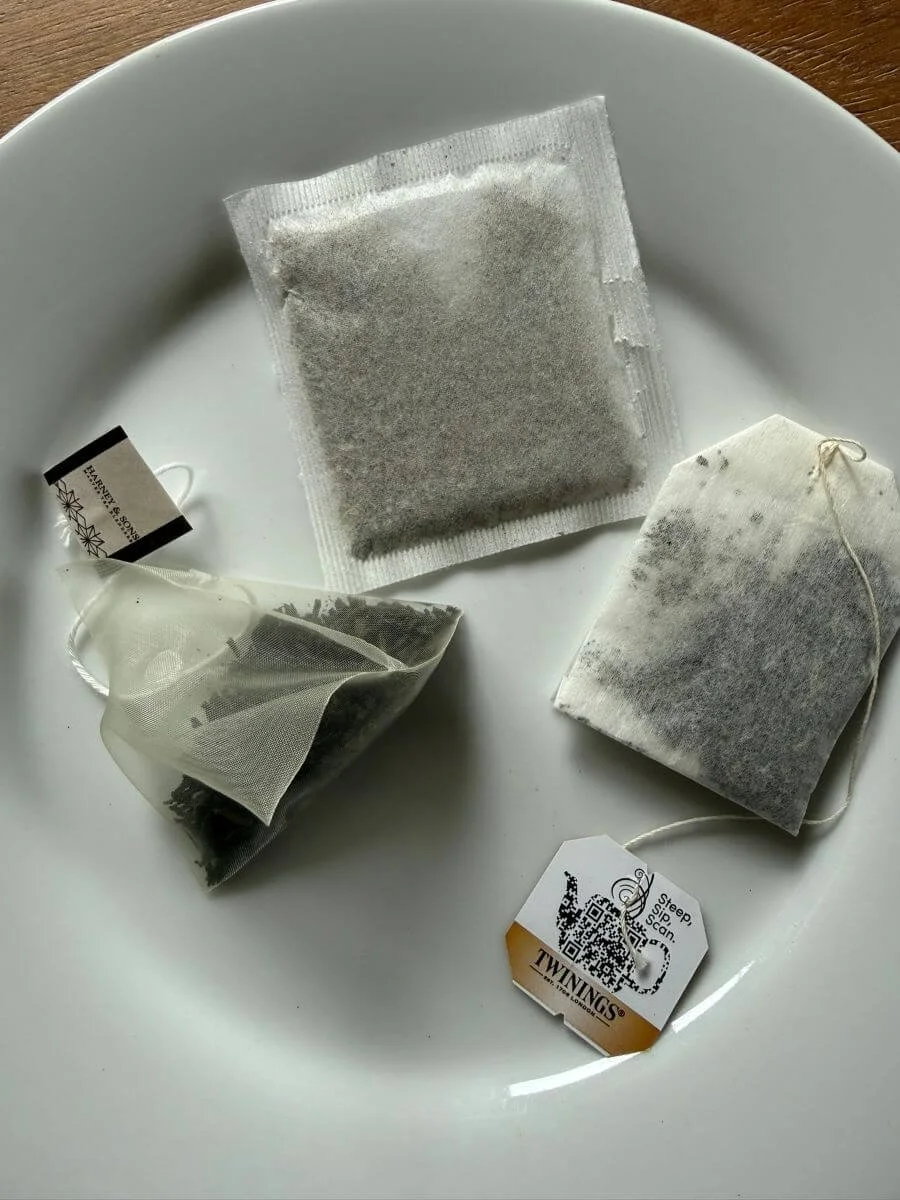
Individual Tea Bags
Pros: Very convenient
Cons: More limited variety; more informal when hosting
Serving Ware
Having the right serving ware (or even knowing what what is customary can making for easier and more confident hosting. Below are traditional methods of hosting an Afternoon Tea.
Tiers
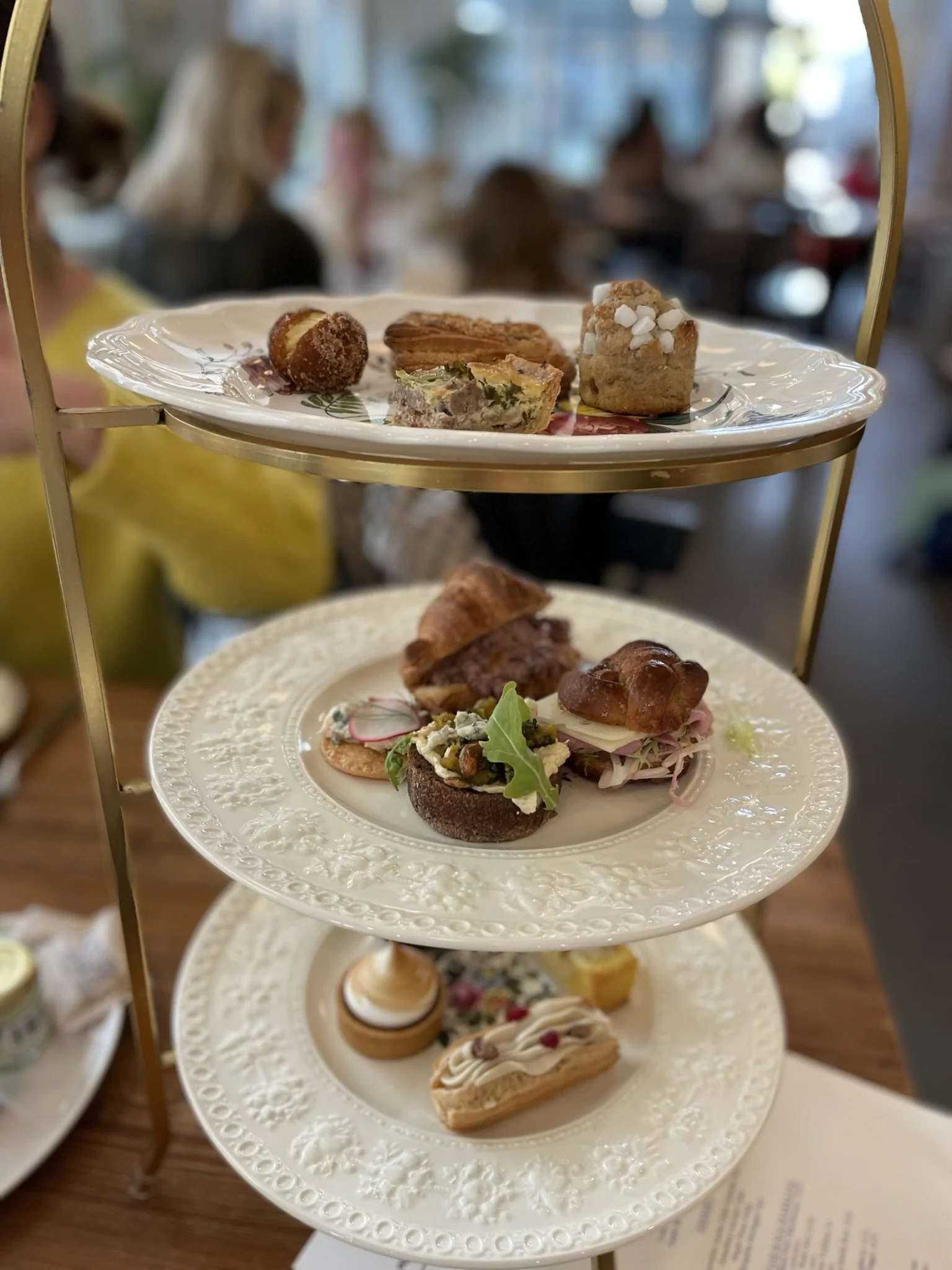
Serving in layers is the traditional mode for Afternoon and High Teas. Depending on how often you entertain- it could be worthwhile to invest in a nice multi-tiered stand you love. Even though however, for a group, you often will need multiple stands. Depending on the number of courses you are serving- there are a couple service options:
Savory course + Sweet course for a group:
Serve the assortment of sandwiches using all tiers for the savory course. Repeat for the dessert course.
All at once for a small group (1 Stand per 2 guests):
Savory sandwiches on the middle tier, desserts on the largest bottom tier, and small petit-fours or bite-sized sweets on the top tier
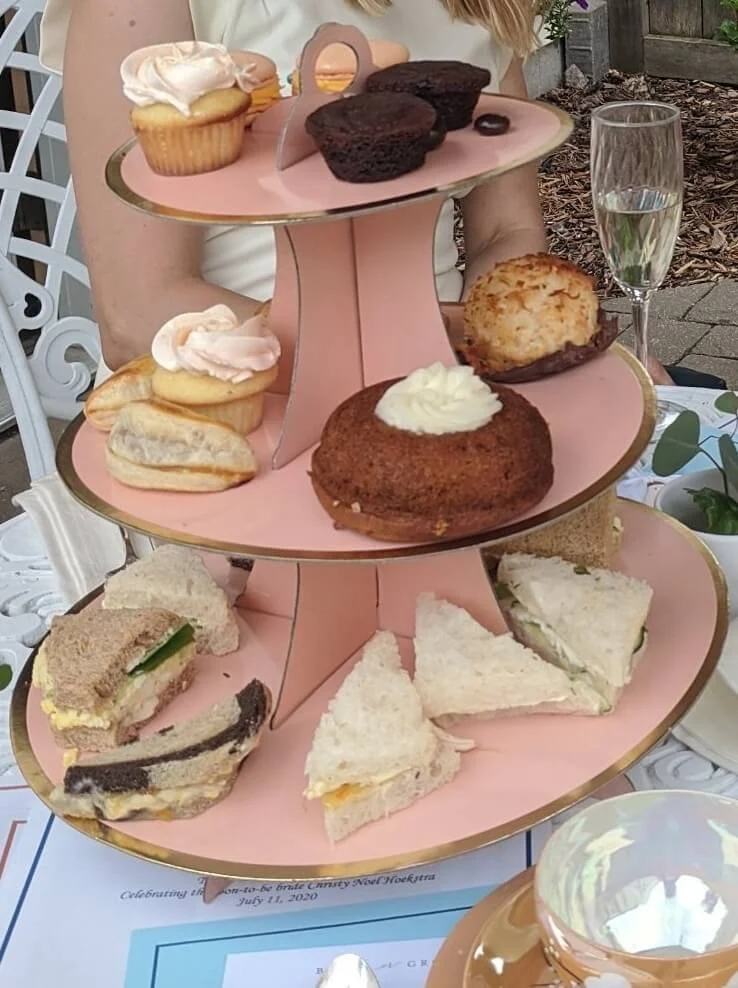
When entertaining a group: Disposable cardboard tiers
Shop the look for a permanent serving solution: Ceramic 3-Tier Stand
Cups & Saucers
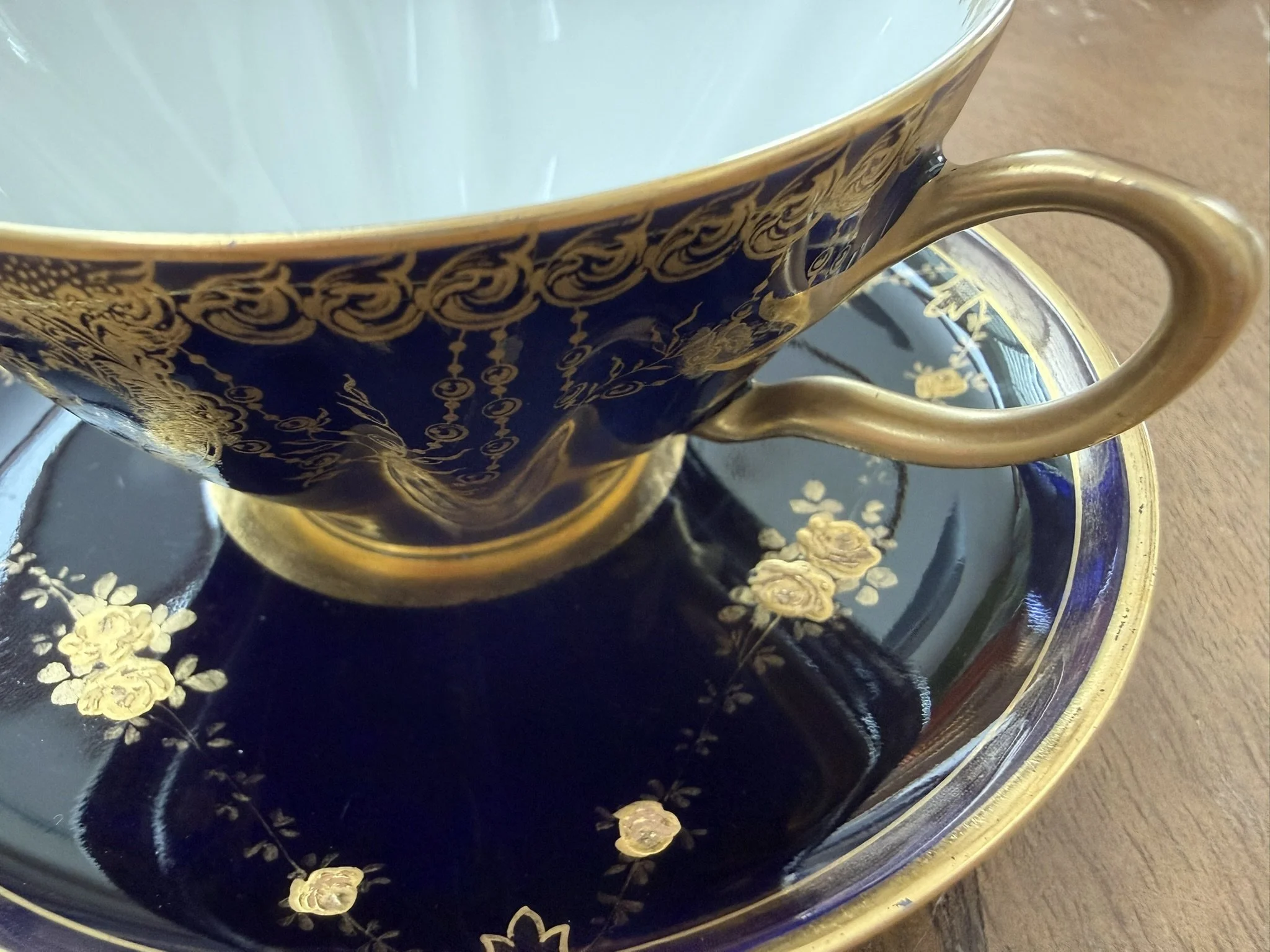
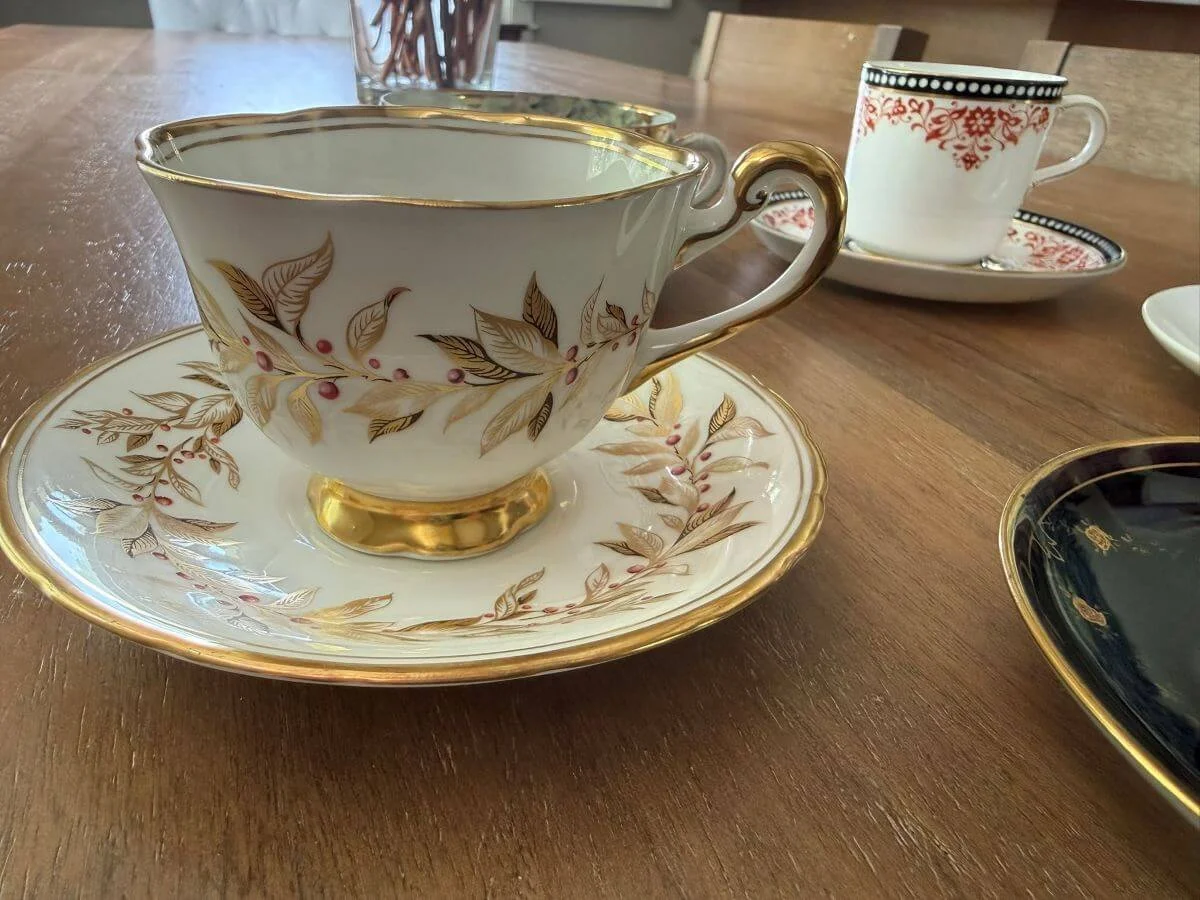
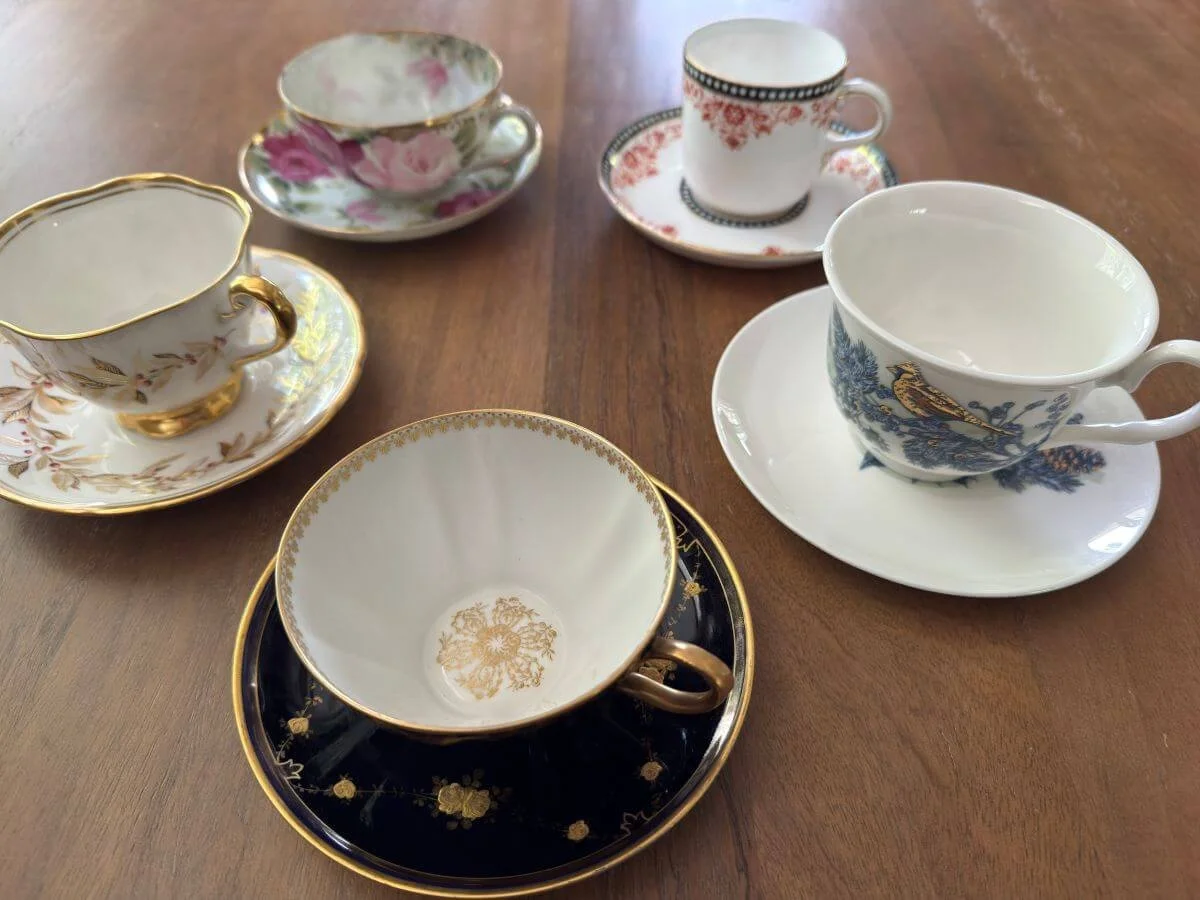
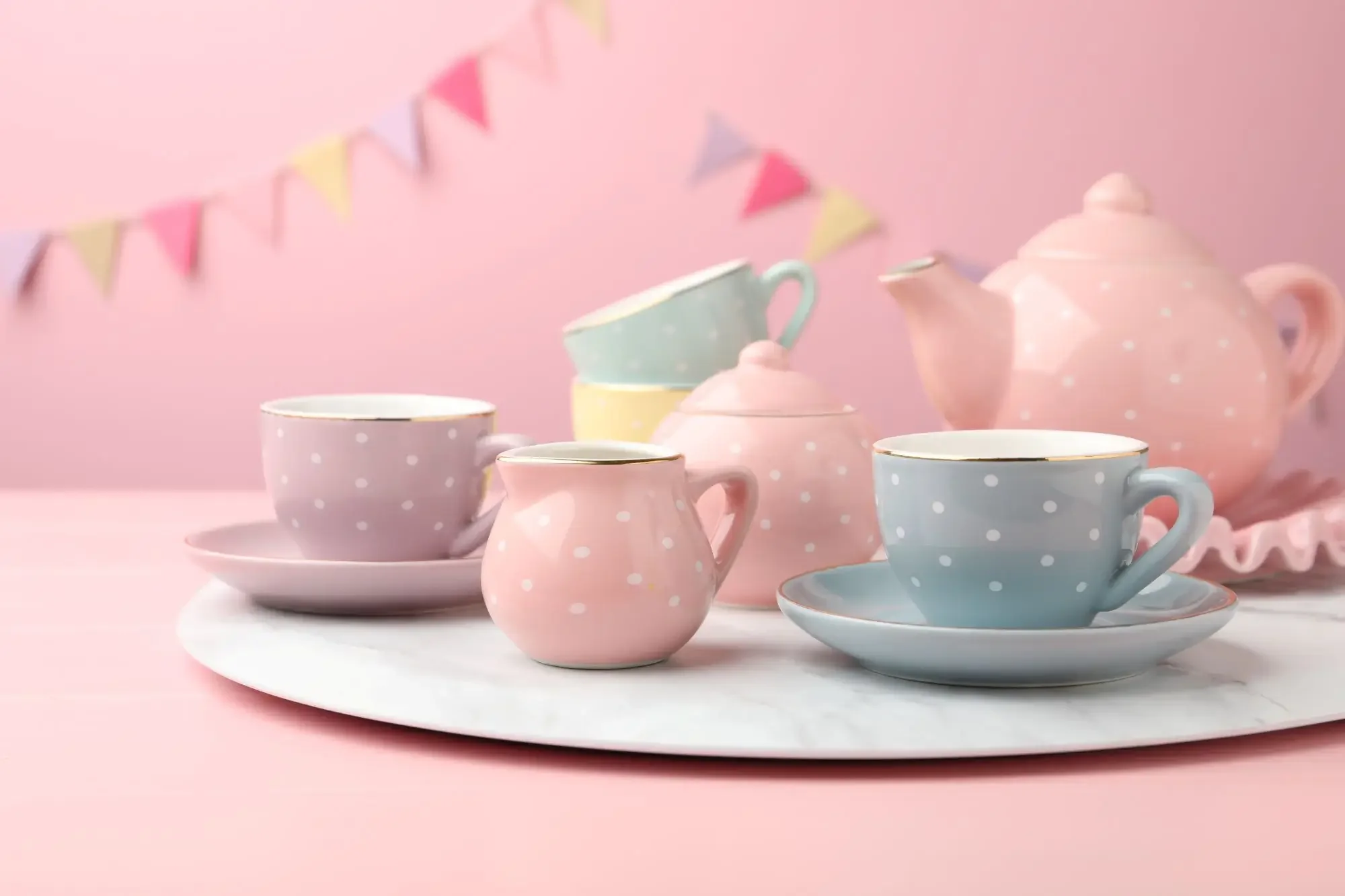
Tea service is one of the few occasions where mismatching ware is smiled upon. Collective assorted and unique forms of cups and saucers is an art form to some, each offering its own story. Regardless of what’s in your cupboard- it works. It can be matching white Ikea mugs, or antique china.
It’s what you put in your cup and who you drink it with that matters. If you do want to begin your collectio, thrift stores and estate sales are a great starting place.
Floral Arrangements & Decor
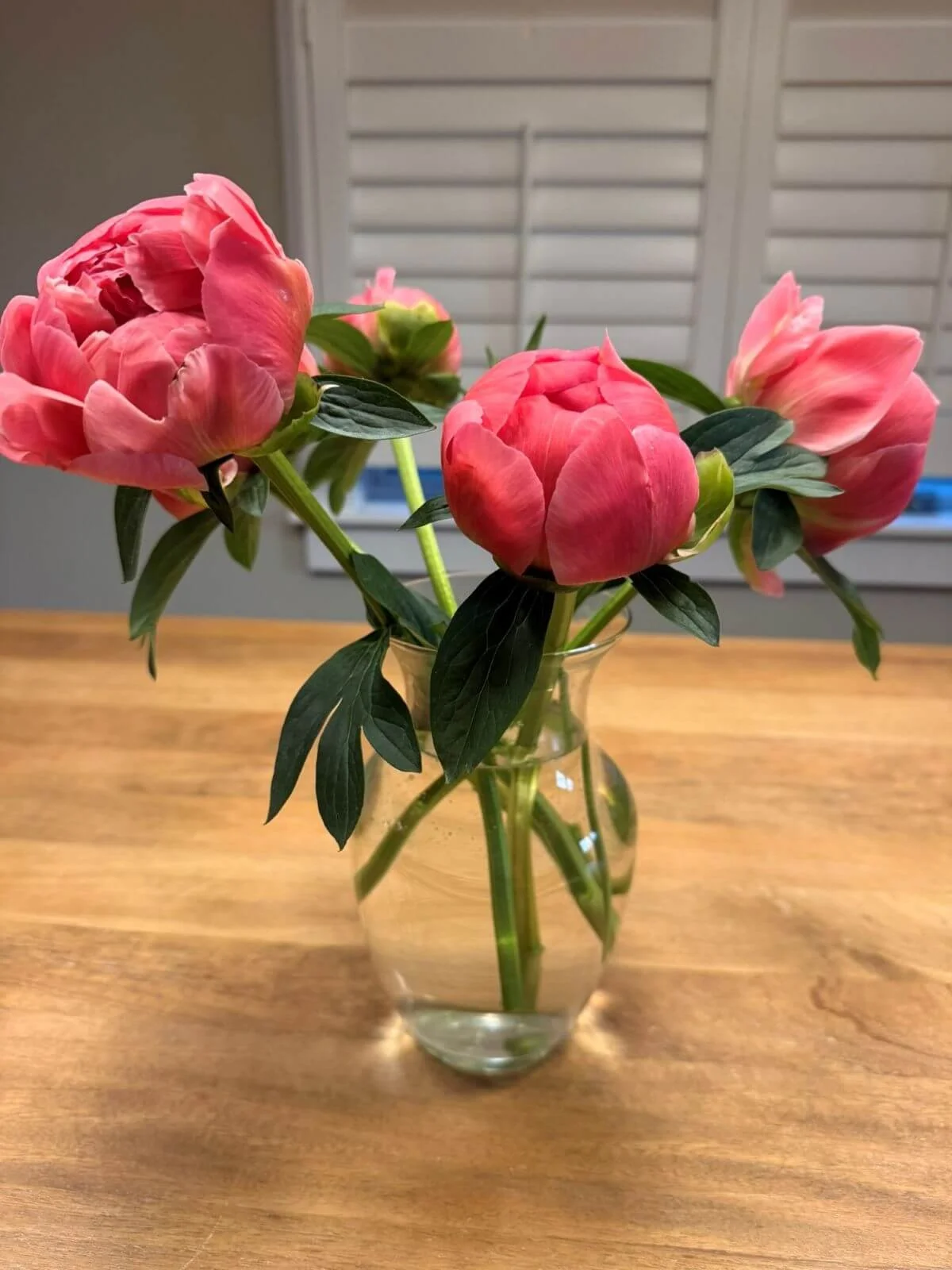
Flowers are one of the easiest ways to instantly turn your spread into an elegant affair. They don’t have to be fancy but ideally would be fresh, especially in the spring and summer months.
A few tips:
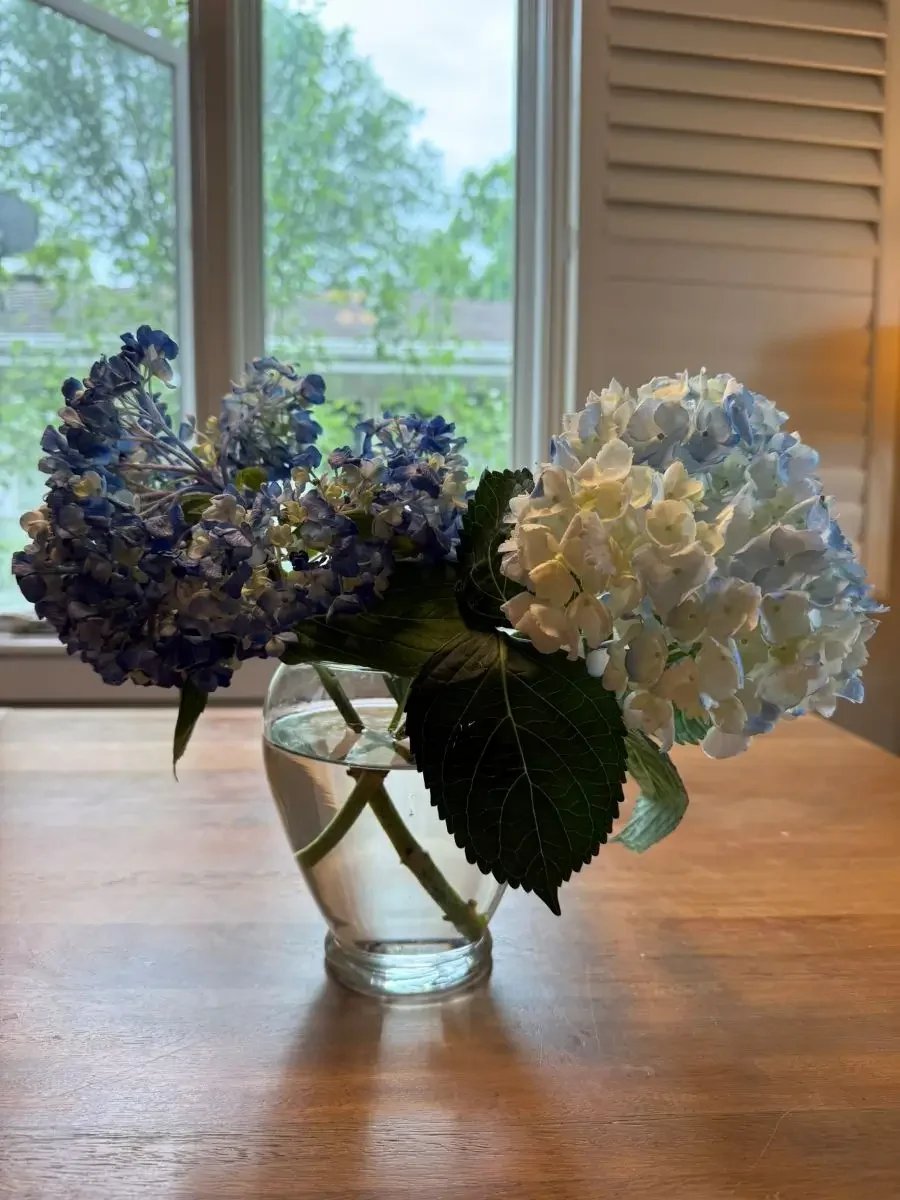
Big blossoms like Peony, Hydrangea, and Lilac make a big statement with less fuss/no arrangement needed and are often already growing in your yard depending on where you live.
If going with long stems, choose just one and arrange in a thin case, for multiple vases placed around the table/s.
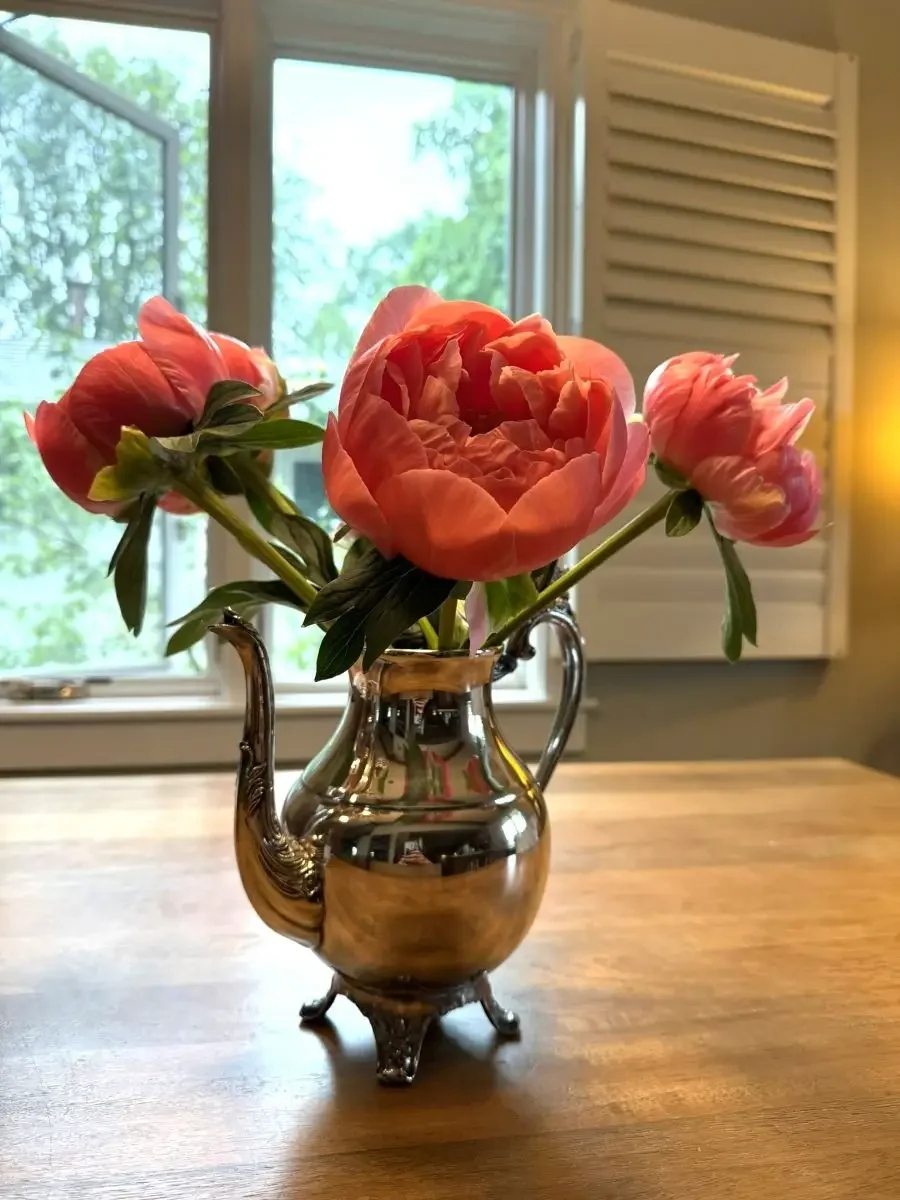
If you have a old and even tarnished tea pot that you don’t feel like polishing, it can make for a great vase for the occasion.
Finishing Touches
Platter Liners
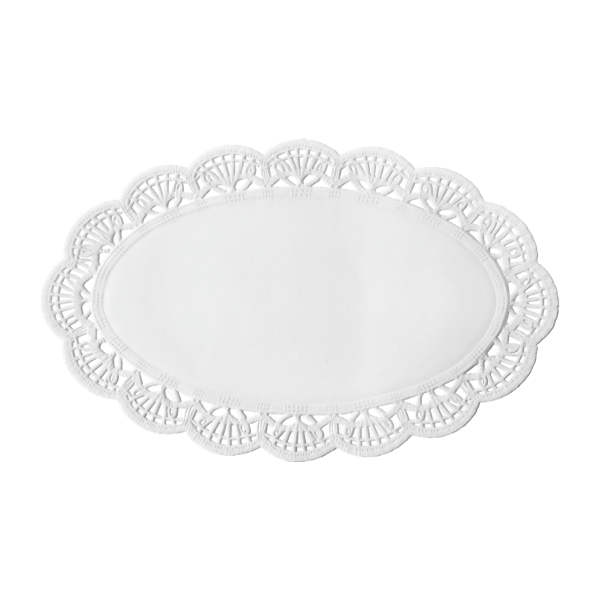
Lining serving platters can be both functional (to protect delicate finishes) and decorative- elevating from functional to polished.
Parchment paper can work if wanting to keep things easy.
You can also use lace doilies for a restaurant-style look that showcases the beautiful platter underneath.
Candles
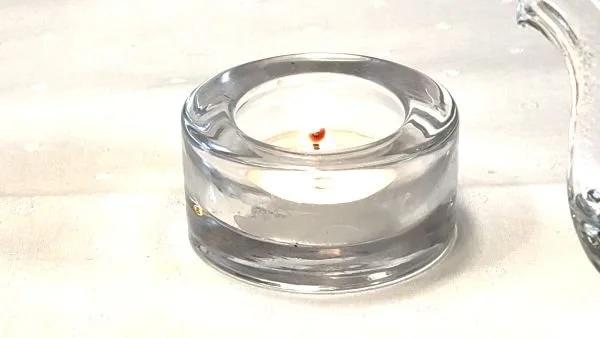
The soft glow of candles is a welcome ambiance setter regardless of functional need. For spring, fall and winter teas in the northern hemisphere, daylight will already be waning by the later afternoon, so candles’ glow will be even more impactful.
Tea candles - created for this purpose! (Burn 3-5 hours depending on the type of wax).
House inside a protective holder- either designed for tea candles, or using any decorative small cup.
Use 2-3 depending on the size of your table/s.
Napkin Folding
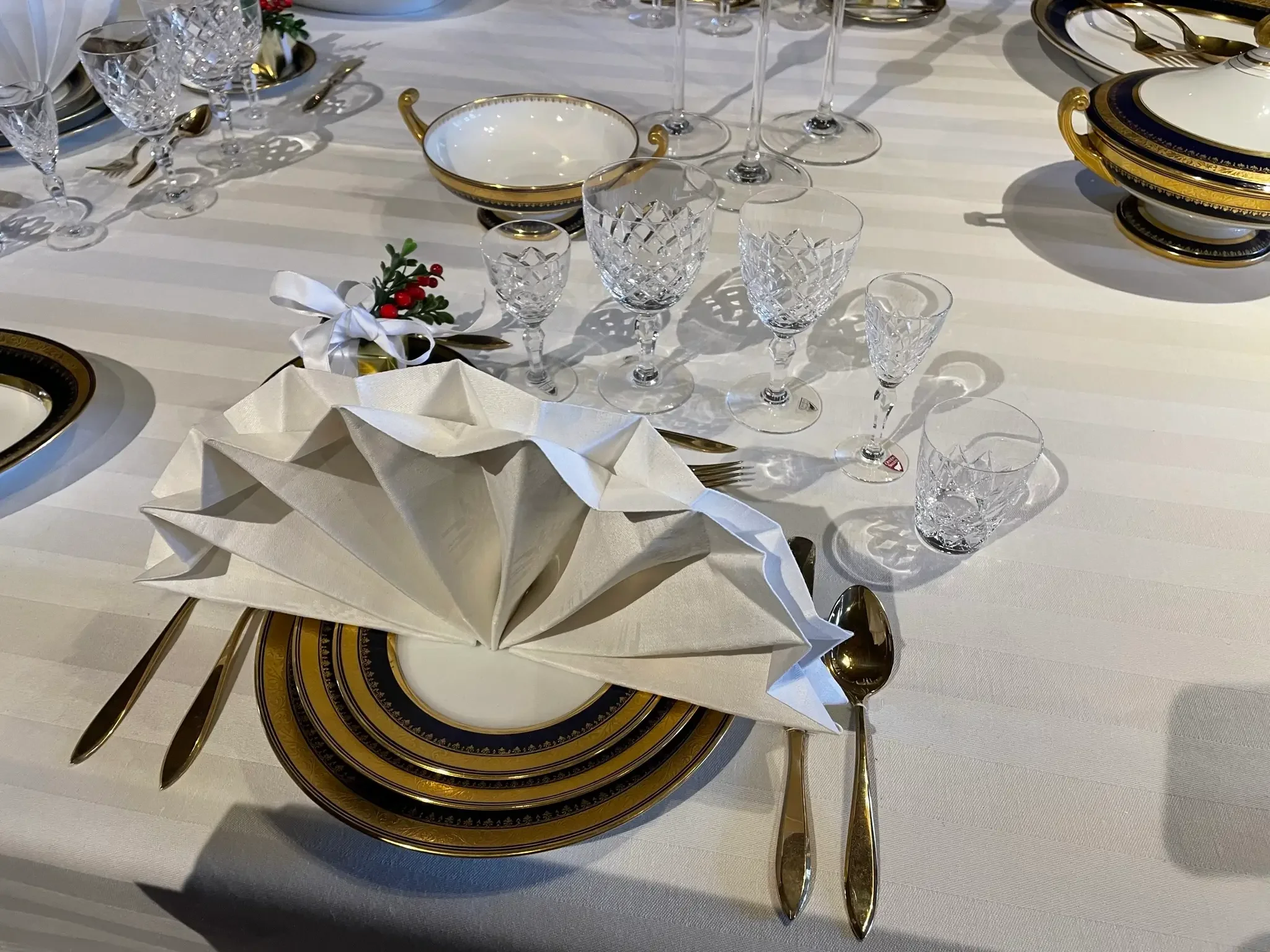
Fancy napkin folds is an easy way to immediately set the tone for the meal or event. As a caterer in college, I learned various techniques that have come in handy for years since. Learn it once, and have the knowledge forever.
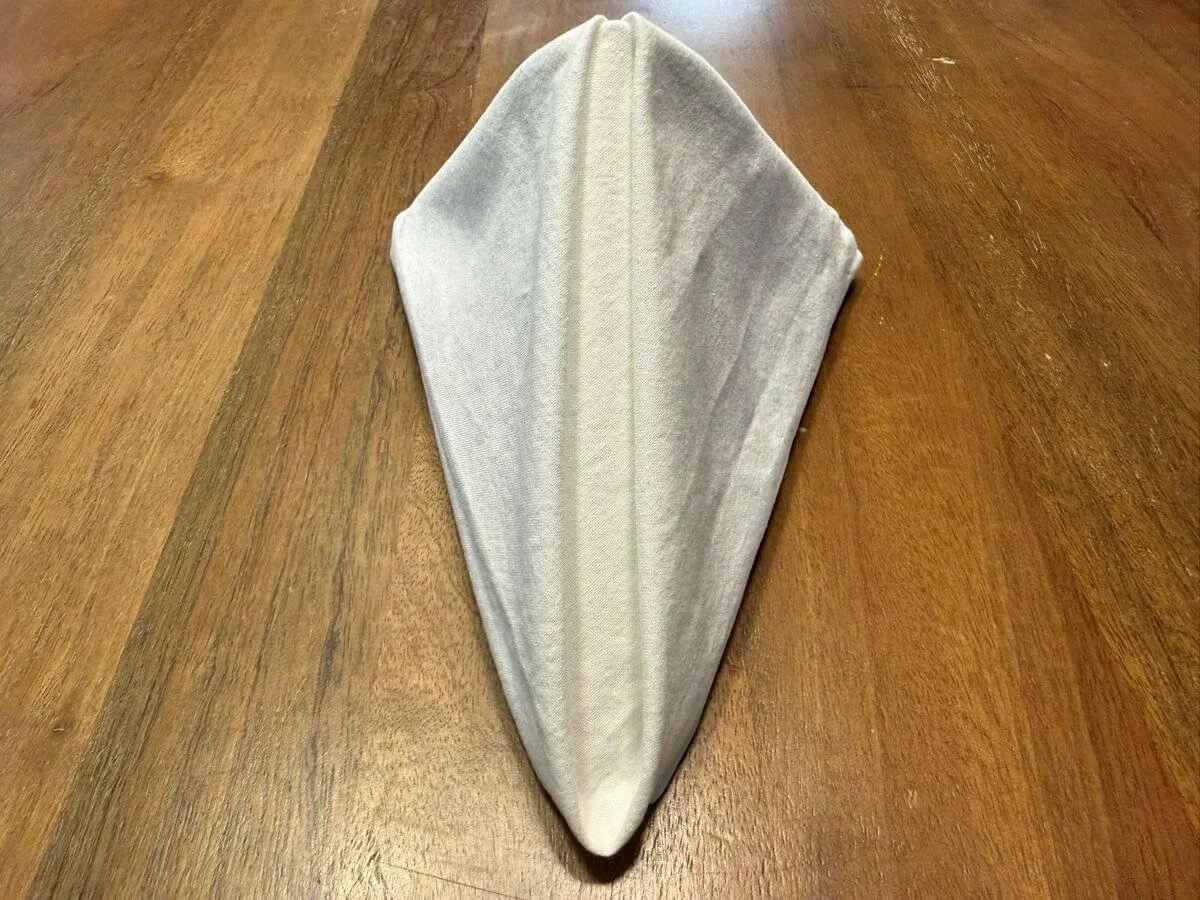
The Pyramid
1) Form a diamond points at North, East, South and West.
Fold on half, to match the North tip.
2) Bring the East and West tips to match the tip at the North.
3) Pick up the East and West tips and let the napkin drop to fold in half.
4) Fold in half again, and place on the table to form a down-ward V.
The Fan
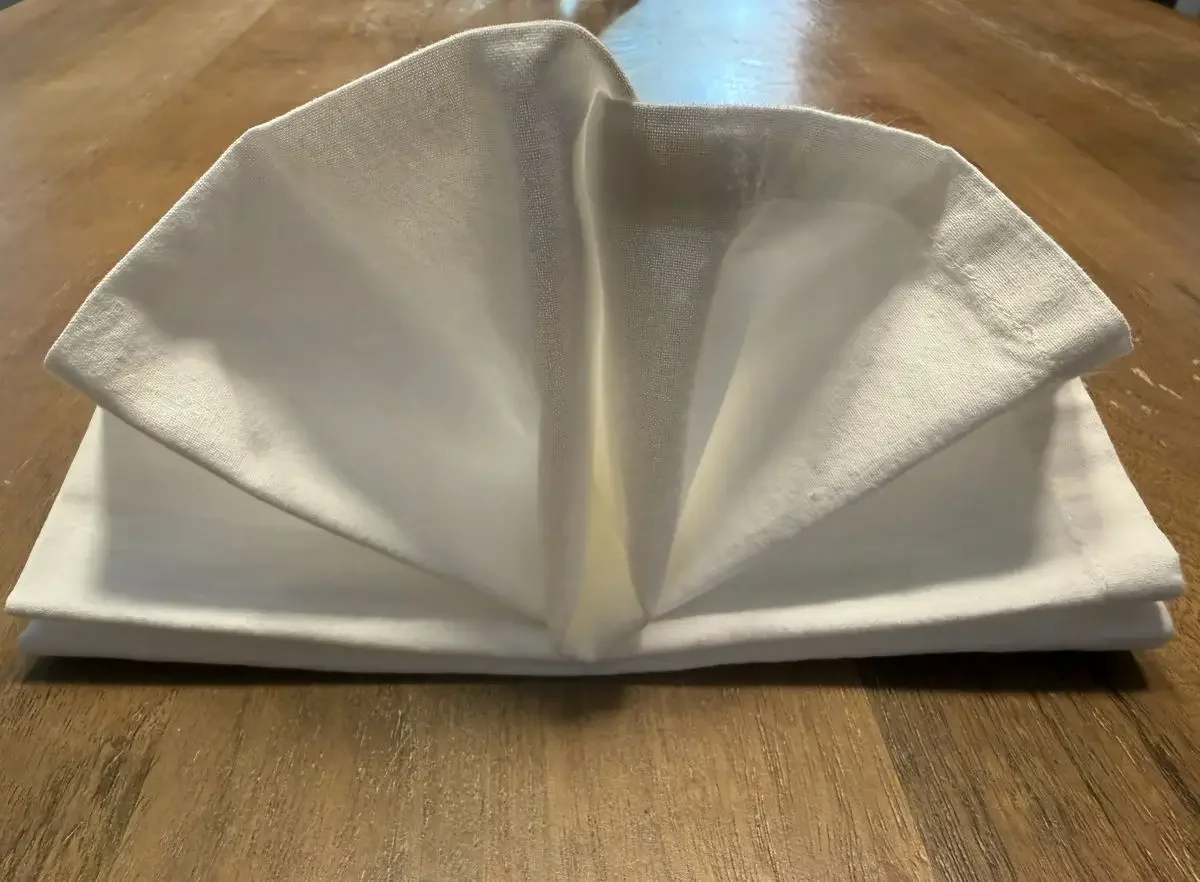
1) Fold in half to form a rectangle.
2) Starting at the short end, fold back and forth to form a fan.
3) Leave 2-3" at the end unfolded.
4) Fold in half.
5) Take the corner of the folded side and tuck into the opposite corner, where a natural pocket has been created.
6) Place on the table with the fin resting on the table, letting the fan drape down naturally.
The Flourish
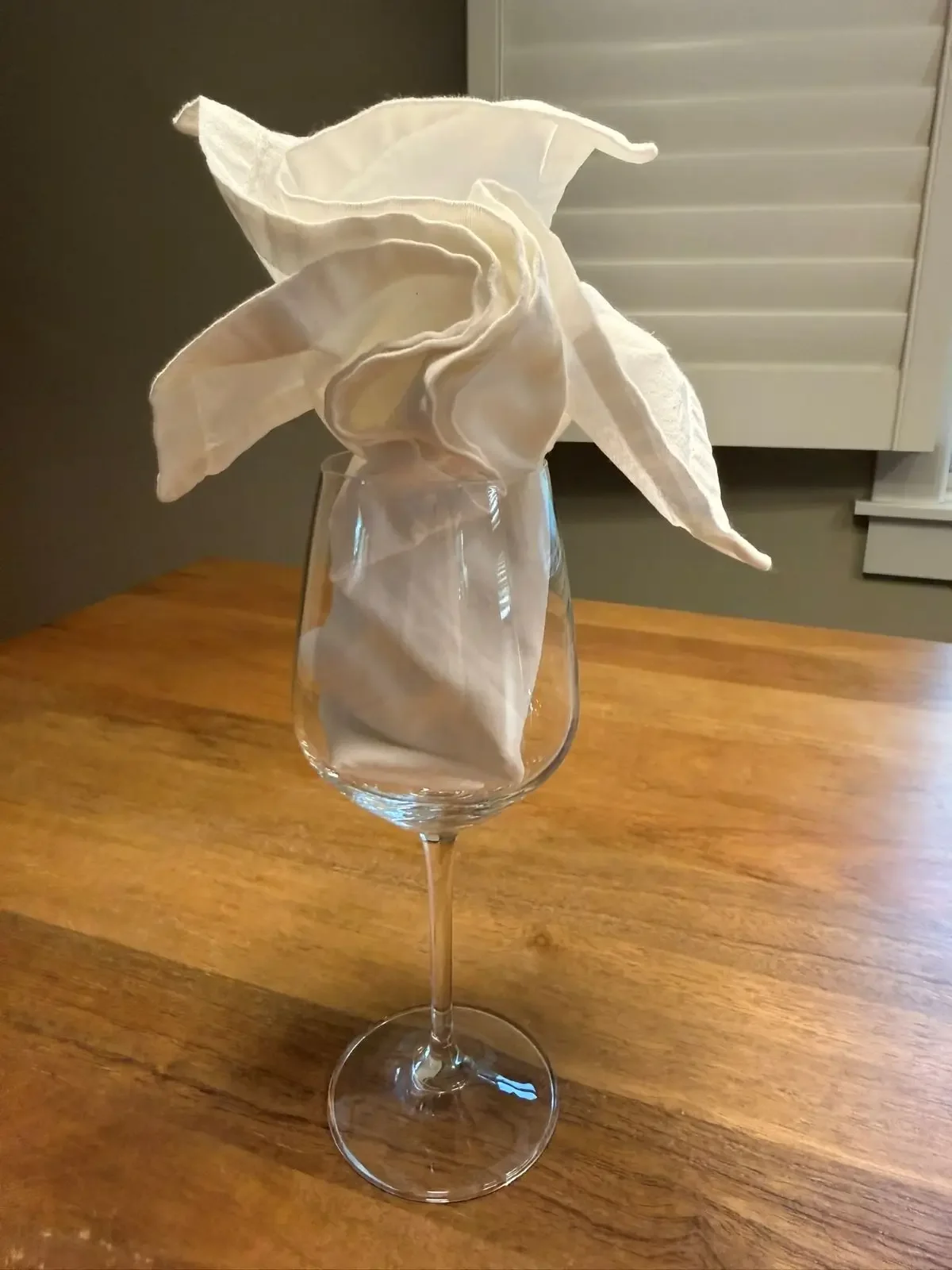
1) Fold in half to form a rectangle.
2) Pinch together the bottom half of the rectangle.
3) Place inside a wine glass.
4) Separate the layers emerging from the glass into distinct structural points.
The Pocket Fold
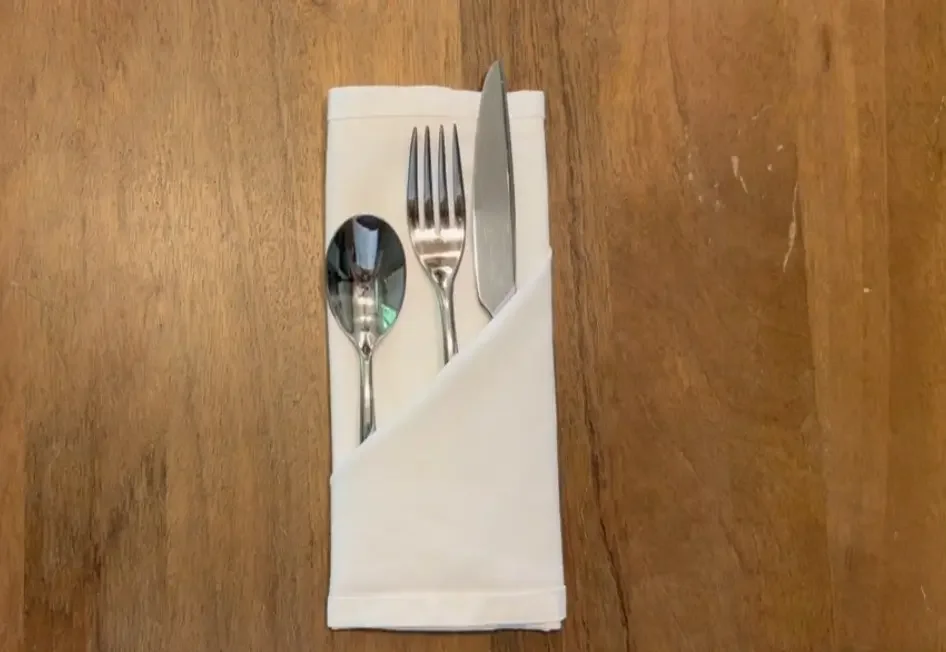
1) Fold in half to form a rectangle
2) Fold in half again to form a square.
3) Pull back the top left corner to the opposite, bottom right corner.
4) Turn the napkin upside down.
5) Fold the right side back over, to cover half the napkin.
6) Do the same with the left side to cover the other half and meet in the middle.
7) Tuck the bottom right corner of the left half into the natural pocket created by the right hand side.
8) Turn over and place silverware inside the fold.
Fabric Tips:
100% Cotton or linen napkins are the most premium material, and for a reason- they actually absorb. Polyester or synthetic materials are easy to maintain wrinkle free but the cost is that they don’t actually work well and tend to smear rather than clean.
Polyester or synthetic blends are easier to stay wrinkle resistant and don’t require ironing.
Synthetic blends will provide a softer look, rounded or subtle edges after folding, whereas cotton will give crisper lines and points, depending on your desired look.
Shop the Look: 100% Cotton napkins
Tea Etiquette
As with many rules of etiquette, many of the below are highly arbitrary and based mostly in custom. However since part of the fun of tea service is having a genteel experience, being familiar with fine manners and faux pas would be customary. Feel free to make your tea service as refined or casual as you like.
The Tea Service
Traditional (elegant, more formal)
The hostess/host walks around, asking each guest what tea they prefer.
Either back in the kitchen, or at a tea station, they assemble the tea (depending on the steeping option of choice). They then bring the tea to the guest.
Throughout the service, they walk around periodically to offer fresh hot water, refilling guest’s cups directly (always asking first).
The hostess/host can also elect a close friend to help, which is considered a great honor.
At the midpoint of the service, you can offer a fresh tea selection to guests, or of course can honor requests at any time.
Modern (classy but more casual)
Each guest is provided with their own teapot, and refills their tea cup as desired.
The hostess/host asks which tea they like and either brings the individual tea bags or assembled individual diffusers of choice to the guest.
At the midpoint of the service, you can offer a fresh tea selection to guests (via tea bags as they don’t require a trip to the kitchen).
The server offers to fill one’s cup, asking first. They may also offer a fresh tea selection.
Order of Courses
If serving food in one course, arrange sandwiches on the bottom tier, scones and pastries on the middle tier, and tarts, mousses, petit fours or chocolates on the top tier.
If preferring to serve in courses, begin with the the savory sandwiches, followed by scones and pastries, followed by sweets.
Serving the Accompaniments
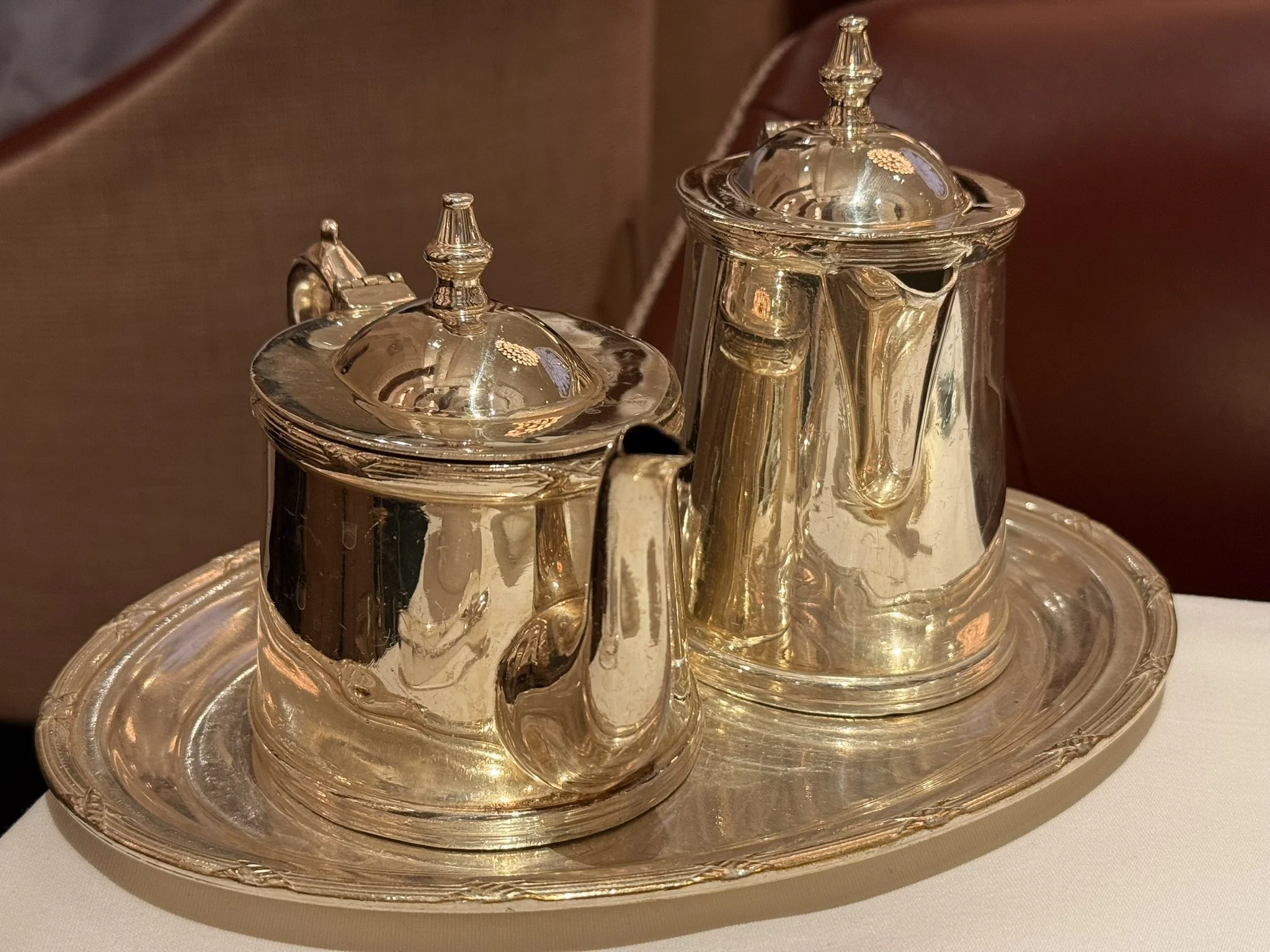
A platter (ideally silver) is used to serve the accompaniments:
Creamer
Sugar cubes & small tongs
Honey
Jam
Butter
Plate of sliced lemons & tongs or small fork
General Fine Dining Etiquette
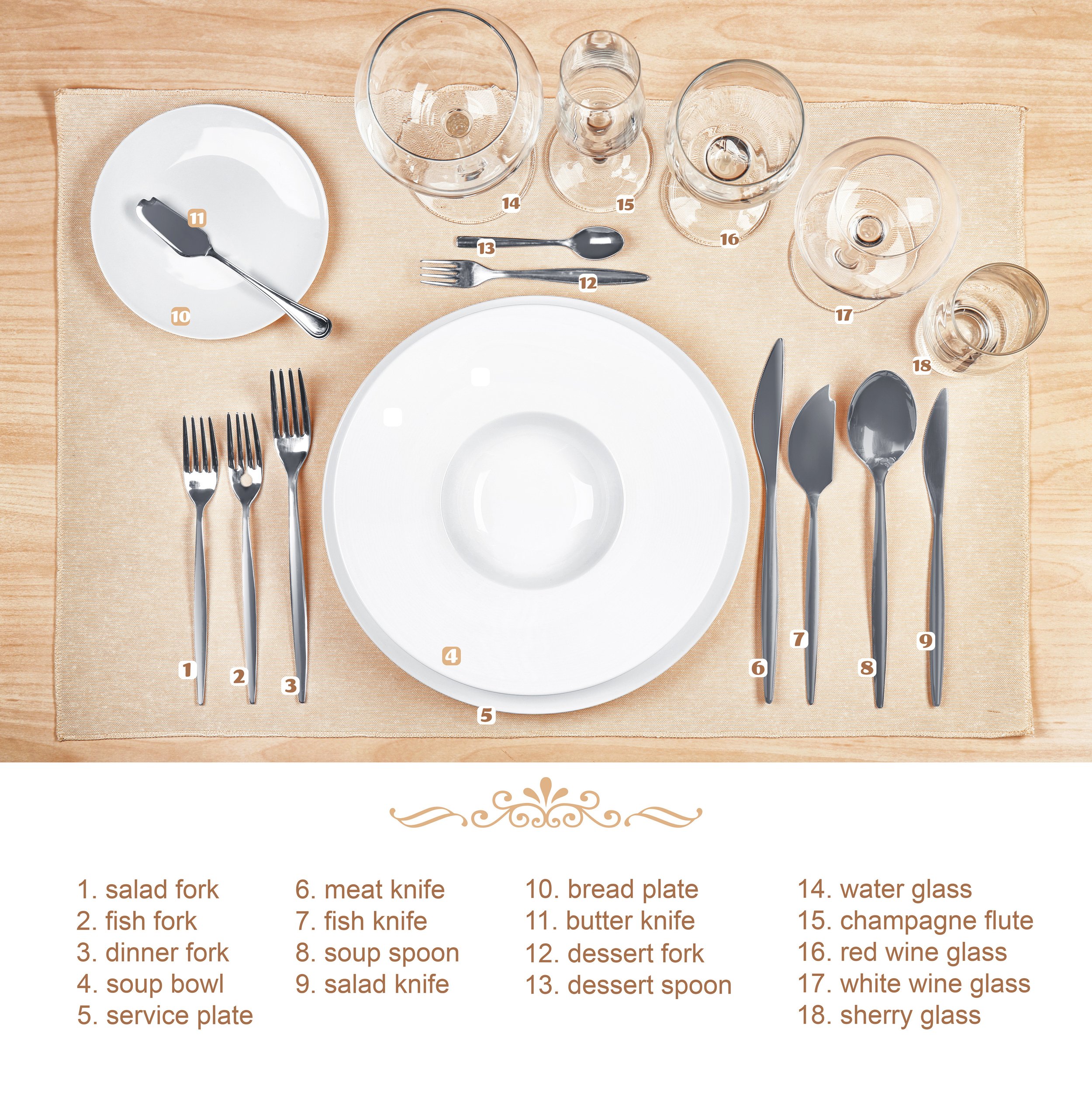
Order of silverware
Most Afternoon Teas will not place multiple silverware settings as the menu is lighter, often with a single small plate. Some High Teas with additional savory courses and hearty entrees and soups may. Whether hosting yourself or being a guest at a tea or any fine dining however, it never hurts to know the protocol.
Outside in. Start with the outer most fork and spoon. The farthest left fork is for salads or first course.
Usually the farthest outside spoon will be a round soup spoon, if soup if offered.
The inner fork is for the main course.
The outer most knife (on right side) is for the appetizer or fish (whichever is offered), and the inner knife for the entree.
A dessert spoon is placed above the plate or is delivered with dessert.
The bread plate is located above and to the left of the dinner plate, with a bread knife placed across the plate itself.
Water glasses sit above and to the right of the dinner plate, with wine glasses to the right and in a slightly cascading fashion.
Separate glasses for red and white may be placed on the table and removed when not needed. In very fine dining, cordial glasses accompany thereafter.
Champagne is a favorite Afternoon Tea addition, which can serve as the only additional glassware besides the water goblet an tea cup.
Order of glassware
Salt & Pepper
Don’t salt or pepper your food until you’ve tasted- doing so automatically signals rudeness to the chef.
Pass the salt and pepper together, even if only one is asked for.
Dining
Pass from the left to the right, the exception being if you are the first to pass a dish- then offer first to the person to your left while holding the dish, then passing to the right thereafter.
In Continental Style dining, one keeps the fork in their left hand, and the knife in their right, regardless of dominance hand.
When resting, the silverware is placed upside down on the plate for form an inverted “V”.
When finished, the silverware is placed parallel to each other and at 4-5 o’clock on the plate.
The napkin stays on your lap and never on the table. If you must excuse yourself, the napkin is placed on the chair until you return.
Faux Pas
Calling it “High Tea”. High Tea and Afternoon are used interchangeably in North America, but the proper term as it is originated and is used in the UK is Afternoon Tea. High Tea was a working class meal early in the evening, consisting of hearty foods and stews. What tea houses, fine establishments and most hosted tea parties these day offer is the lighter fare of finger sandwiches and sweets, like the menu suggestions offered on this page.
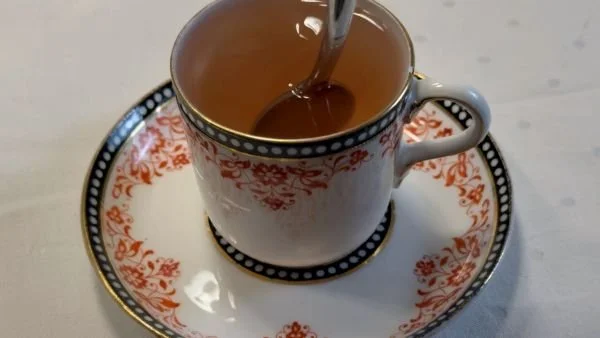
Clanking the spoon. Tea and accompaniments are intended to be stirred using a gentle back and forth motion instead of circling the cup or touching the spoon to the edges.
Broken, not cut. Contrary to intuition, scones are to be broken by hand and not cut with a knife.
Pinkys out. This tradition is actually a low brow signal. Rather, keeping fingers in line with each other and wrapped around the cup’s handle is most refined.
No dunks. Nothing is to be submerged in the cup of tea other than the tea itself.
Placement matters. For purists, the tea spoon is placed behind the cup, not in front.
Dressing too casually. “Smart casual’ or ‘Garden casual’ are safe choices when attending a tea-regardless of location at a friend’s or at an establishment. Avoid T-shirts, graphics, ripped jeans, flip flops, beach attire, athleisure attire, etc.
For women this means one step down from “Business casual” but still polished. Think casual but classy dress, blouse, blazer, skirt, sweater, dressy sandals or flats, dark jeans without rips or distressing.
For men, it can be polos, button-downs, chinos, blazers, loafers, dress shoes.
(Real) Conversation Starters
If you could give a ten-year younger version of your advice, what would it be?
If you were given a million dollars and had to give it to philanthropy, what cause would you give it to?
What fashion trend should be illegal?
Who is the most famous person you’ve met?
When was the last time you were jealous about something?
If you could have dinner with any three people in the history of the world, who would they be?
What thing did you want most as a child?
What is the funniest thing you witnessed in the last month?
What is a trait you picked up from a parent you swore you would never do?
What is your favorite scent from childhood? And what does it remind you of?
Every get together has polite conversation and talk about the weather. Instead of the usual pleasantries, try getting to know your tea mates ‘better- whether new acquaintances or dear friends.
For many more thought-provoking questions- Tell me More: A Conversation Starter Game of Questions to Deepen Connection (Book)
Sweets Menu
Sweets are the cornerstone of an Afternoon Tea. The more options, the more decadent. Here are recipes to a few tea staples, which can be complemented with really any desserts or pastries of your choice.
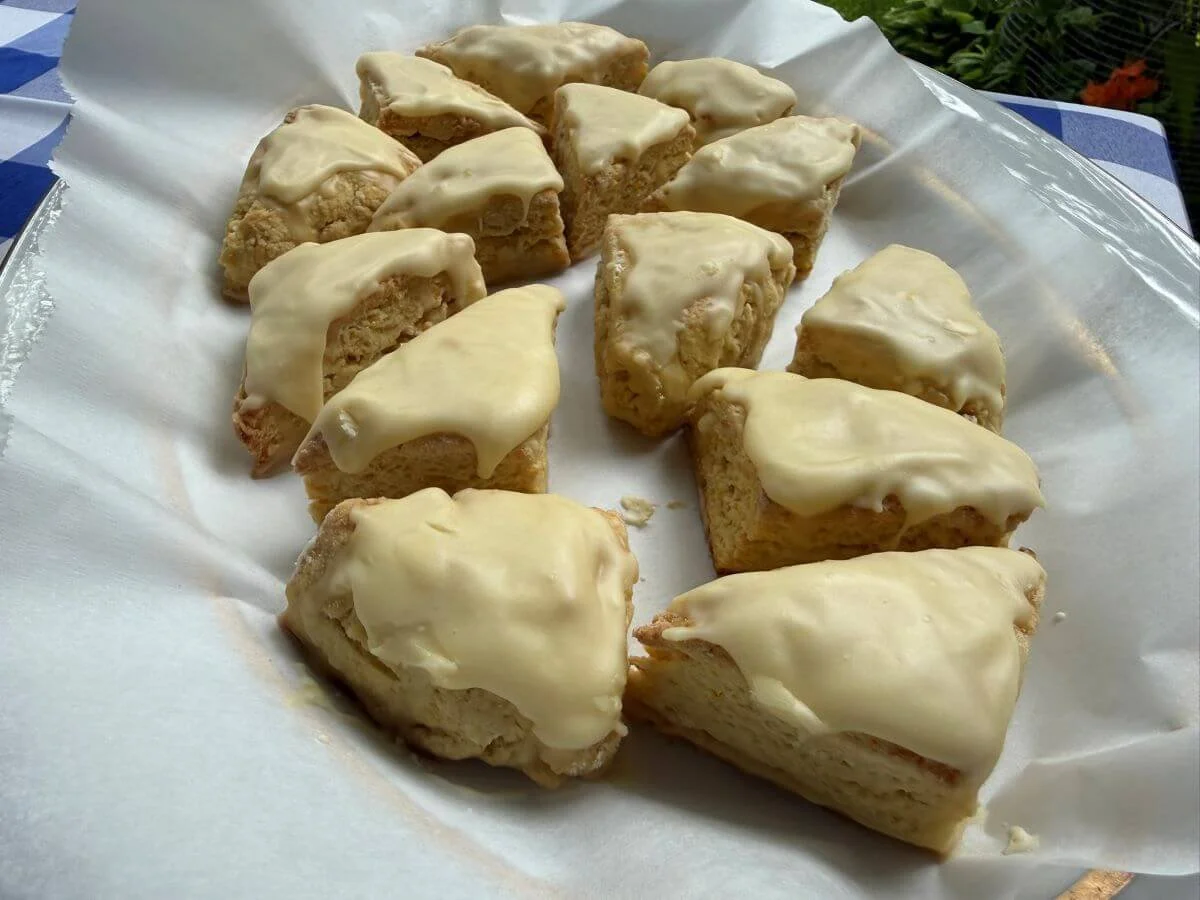
Clementine Mini Scones
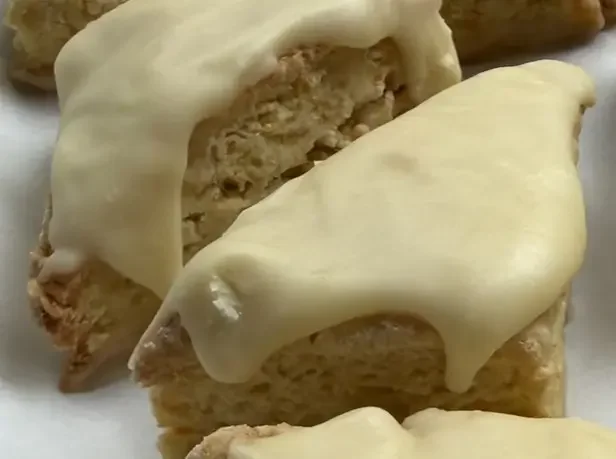
Nothing is quite as quintessentially ‘tea party’ as scones. These make mini scones that are just the right size amid the myriad of other sweets being served.
Serves: 16
Ingredients:
The Dough:
2 Cups flour
4 Clementines
2/3 Cup granulated sugar
½ Cup sour cream
1 Egg
1 Stick butter (cold and diced into small pieces)
1 tsp. Baking soda
½ tsp. Salt
¼ tsp. Baking soda
The Glaze:
1 and ¼ Cups Powdered sugar
2 Tbsp. Clementine juice (from Clementines above)
¼ tsp. Vanilla extract
¼ tsp. Orange extract (or 2 tsp. Clementine zest)
Directions:
The Dough:
Zest the clementines and separate into a bowl of zest and a bowl of juice.
Combine the granulated sugar and the zest from the 4 clementines to make an amazing smelling citrous sugar.
Turn the oven on to 400 degrees F.
Stir into the sugar mix the flour, baking powder, baking soda and salt.
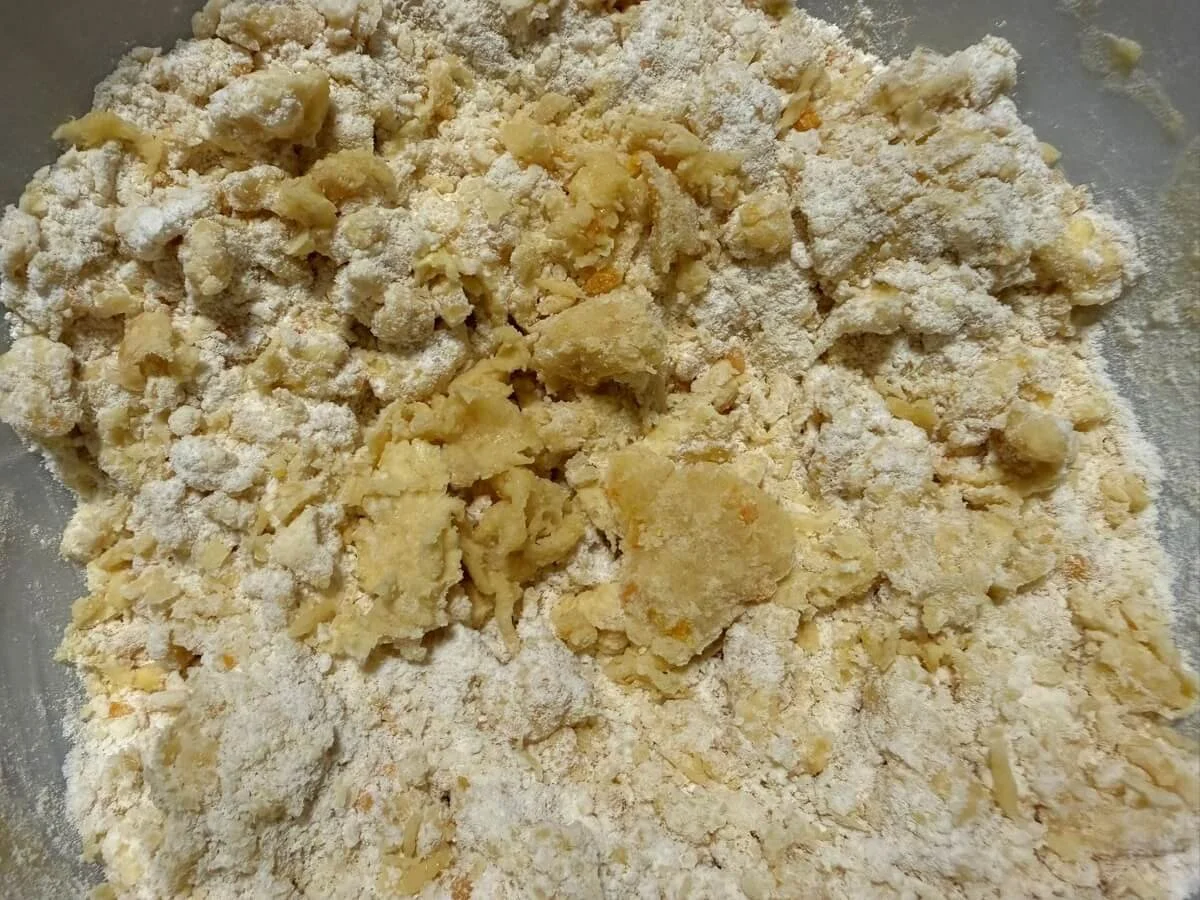
Fold in the butter so the dough becomes coarse. Yes I know- what does that mean? It means to mix in the small pieces of butter into the dough so that the butter stays somewhat separated versus completely smoothly mixed in. (By staying a little clumpy the butter gets trapped into little pockets and then puffs the dough up while baking. If it’s too melted- the scones will be denser and less flaky).
In a separate bowl, combine the sour cream and egg using a fork. It will be clumpy and a little dry. Work into a ball.
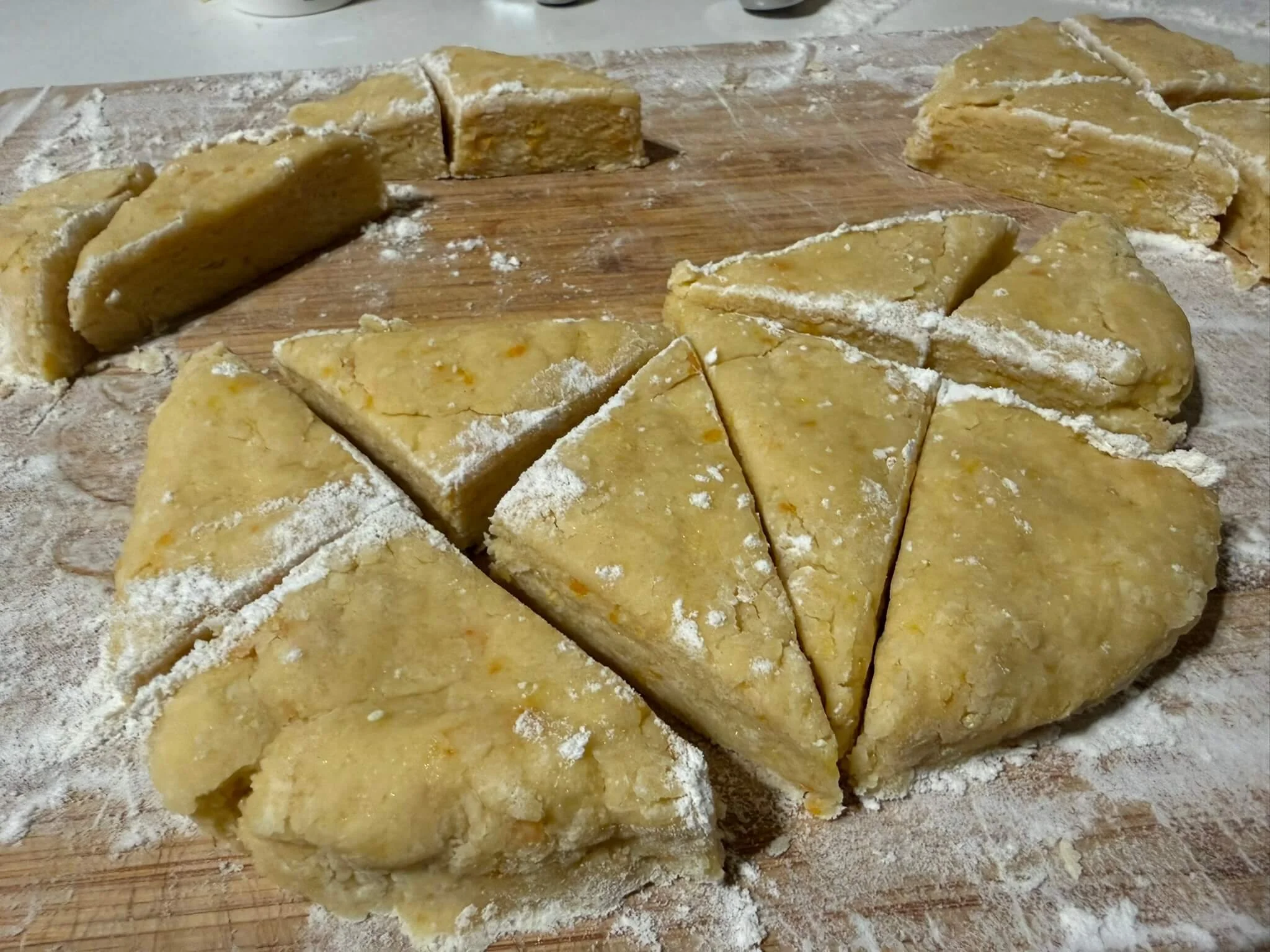
On a lightly floured surface, work the ball into a rounded square about 7” wide and 1-1.5” thick.
Use a very sharp knife (or pastry cutter) and flouring the blade with each cut. (This prevents pulling down the dough with each cut, which will prevent proper rising).
Cut into 4 squares, and then cut each square diagonally each direction to form 4 triangles within each quadrant.
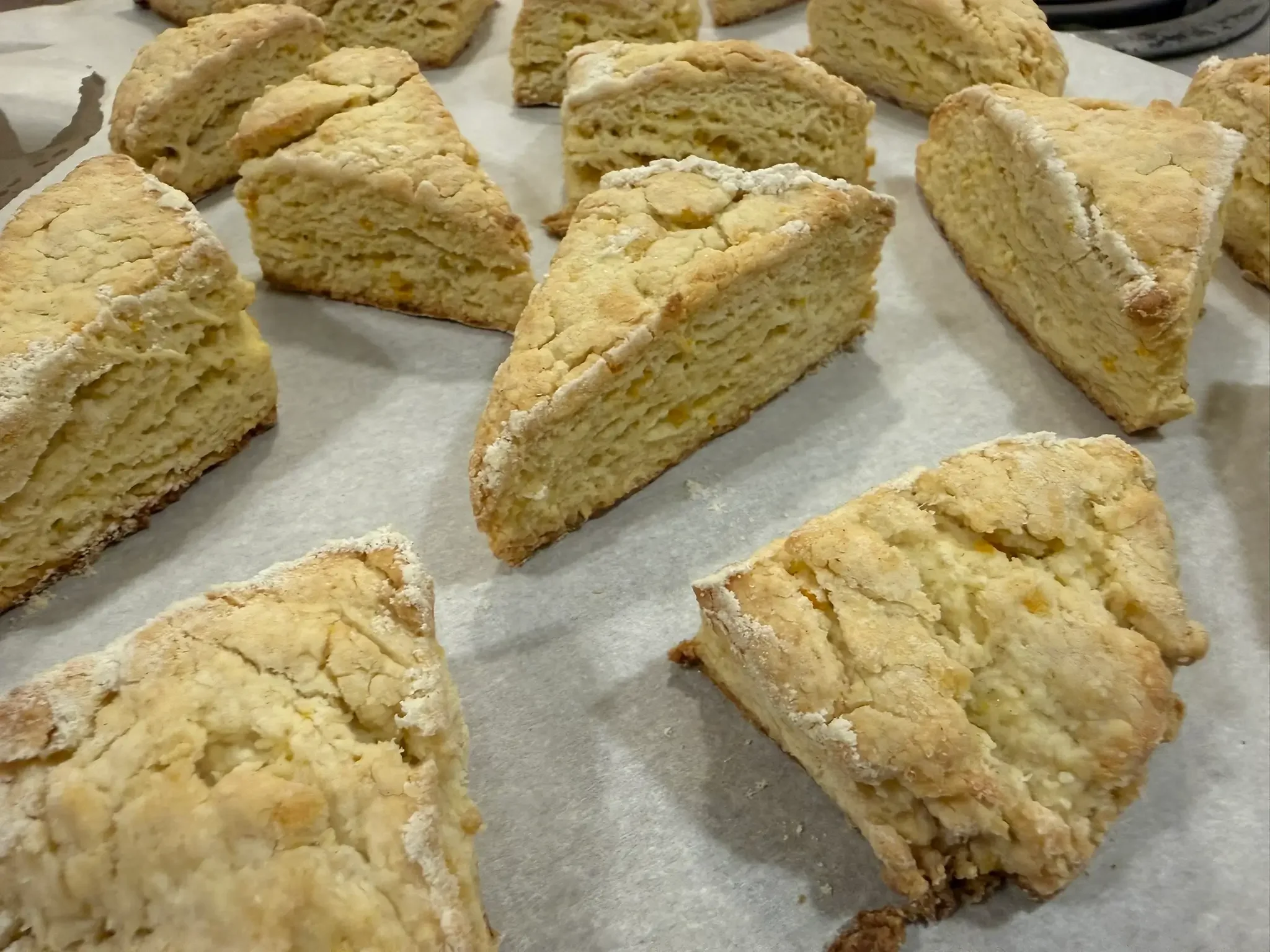
Place on a baking sheet with parchment paper and bake for 15 minutes.
The Glaze:
Wait until the scones are baked and have cooled.
Combine all ingredients in a smaller bowl, stirring until smooth and no clumps.
The right consistency will feel thicker than you think. Resist the temptation to add liquid, as the result will be glaze that melts right off. If you rally need to- start with just a few drops of more clementine juice.
Spread in the middle of each scone and let naturally flow, or gently help spread.
If enough remains, once dried, you can apply a second layer.
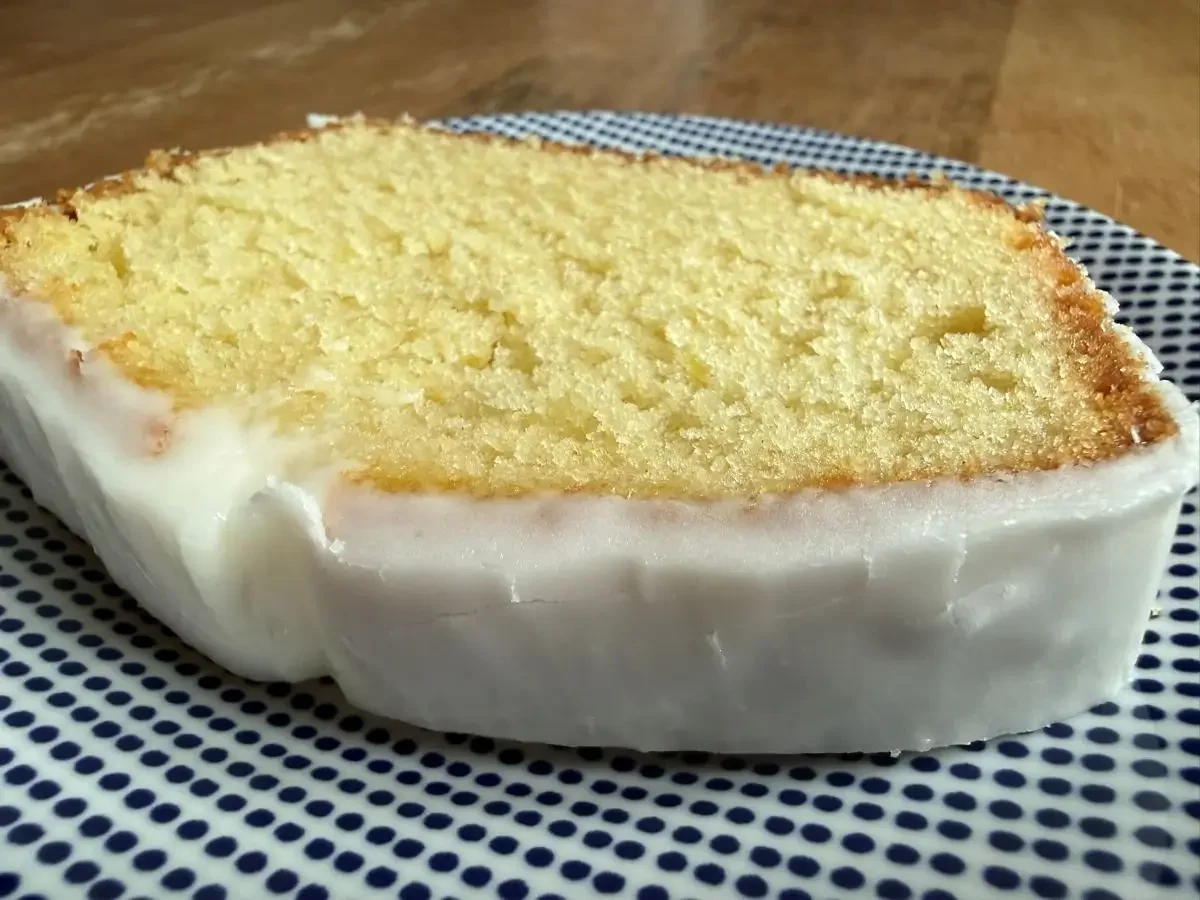
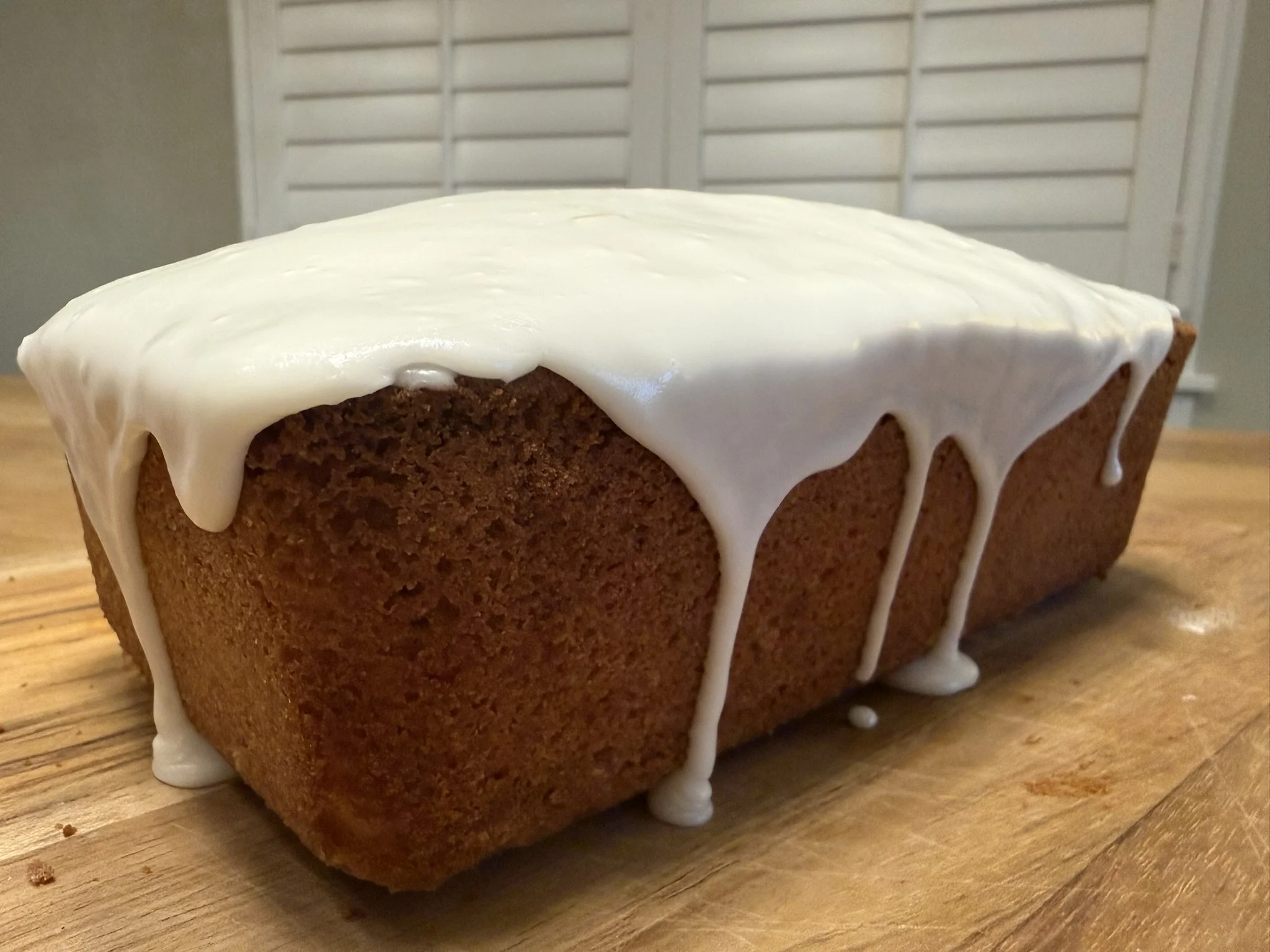
Lemon Loaf
Serves 8
Ingredients:
1.5 cups All-purpose flour
3 Eggs
1.5 cup Sour cream
1 cup Granulated sugar
¼ cup Butter (room temperature)
¼ cup Vegetable oil
2 Tbsp Lemon juice
1 Tbsp Lemon zest
1 tsp. Lemon extract
1 tsp. Vanilla extract
1 Tbsp
Icing:
1 cup Powdered sugar
1 Tbsp lemon juice
1 Tbsp Cream or milk
Directions:
Preheat oven to 350F
Butter and flour a 9×5 inch or 8×4 inch pan
In a bowl, combine flour, baking powder, baking soda and salt. Mix.
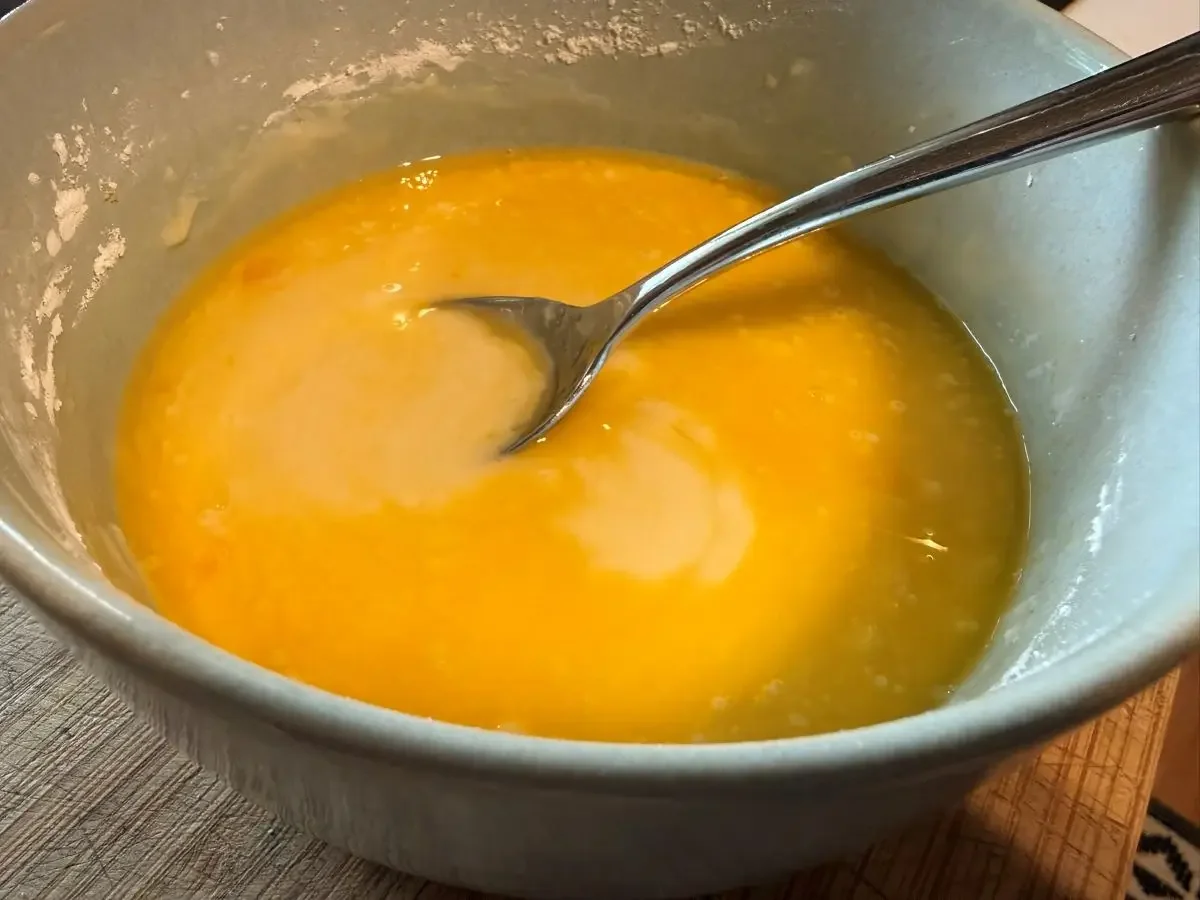
In a separate, large bowl, mix with electric mixer the granulated sugar an eggs for 2 minutes on low speed.
Add the butter and oil and mix.
Add sour cream and mix.
Add the dry ingredients, 1/3 at a time, while mixing. Stir until just combined, not over.
Pour into loaf pan.
Bake for 50 minutes or until passes the toothpick test.
Let cool completely before starting the frosting (it will thicken too early otherwise)
Lemon icing:
In a fresh bowl, mix together powdered sugar, lemon juice and cream/milk.
Stir until smooth with no lumps.
Pour over the loaf, concentrating on the middle- it will flow to the edges on its own.
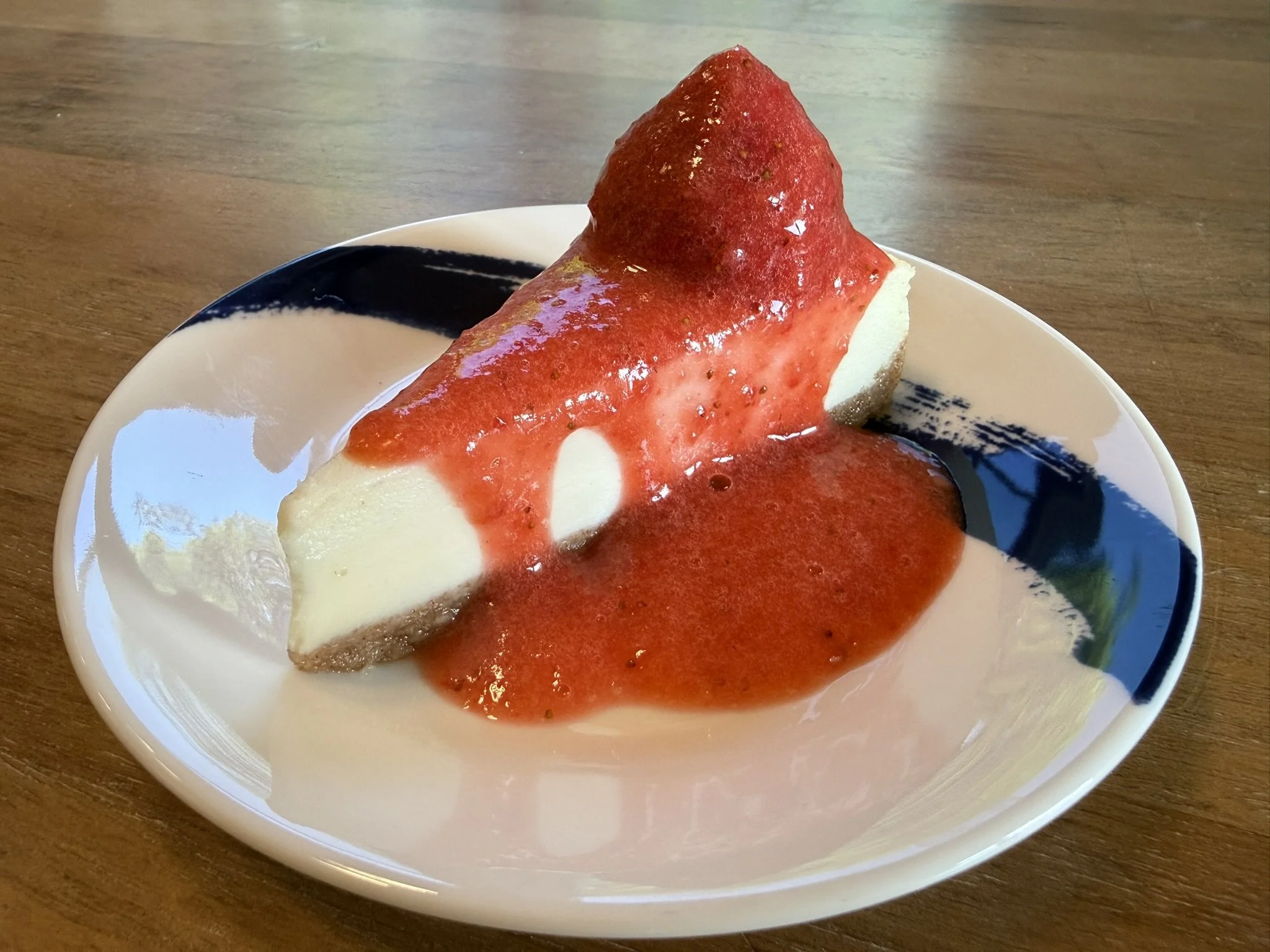
A Very Simple Strawberry Sauce
Drizzle over the Cheesecake or serve as a topping for any of the desserts
Serves 6
Ingredients:
1 cup Strawberries
¼ cup Sugar
Directions:
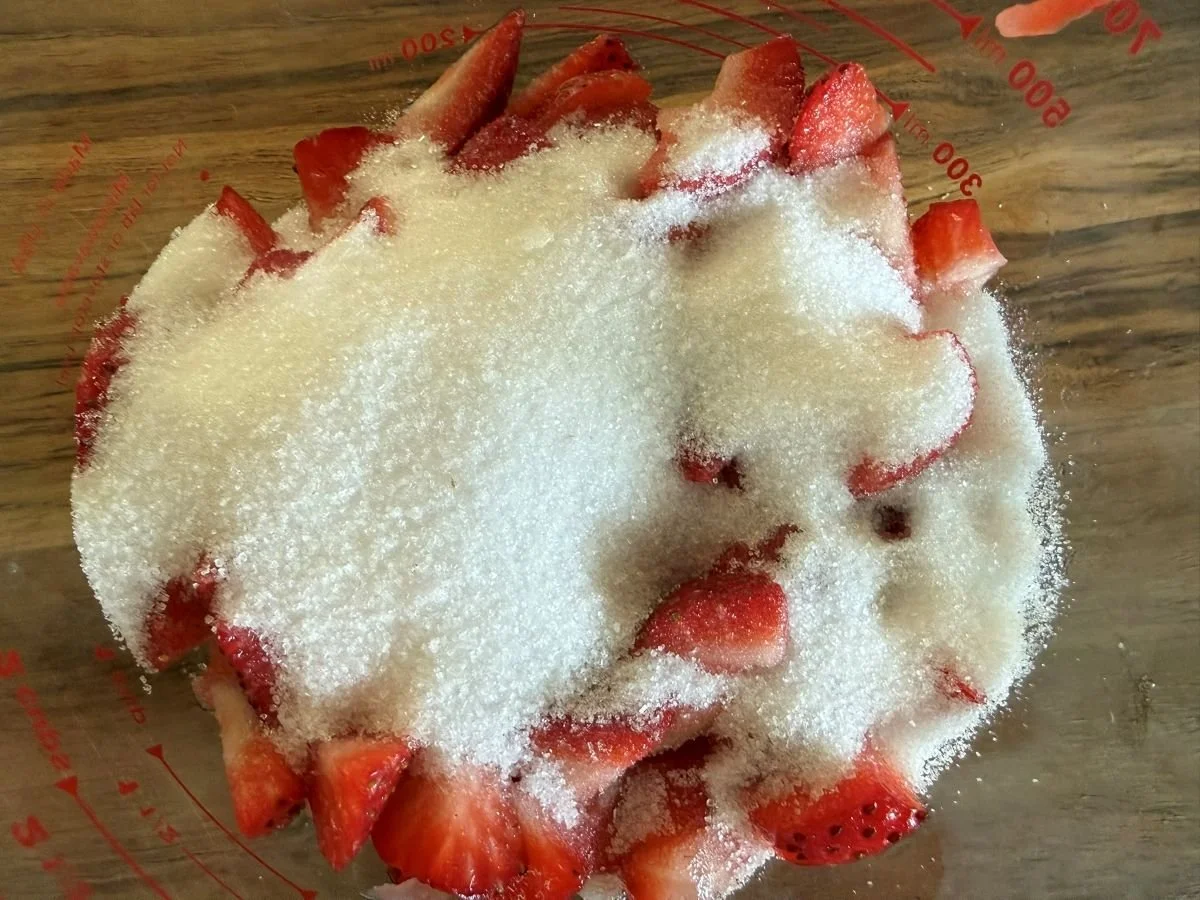
Cut off green from the berries and halve
In a bowl, add sugar to the berries in let sit for an hour
In a food processor or blender, chop on a low setting for 10-15 seconds (don’t puree)
Drizzle over dessert of your choice
Savory Menu
Lighter savory fare is a component of Afternoon Tea as well as sweets- usually consisting of finger sandwiches and quiche or savory tarts. Here are a few recommended tea sandwich recipes.
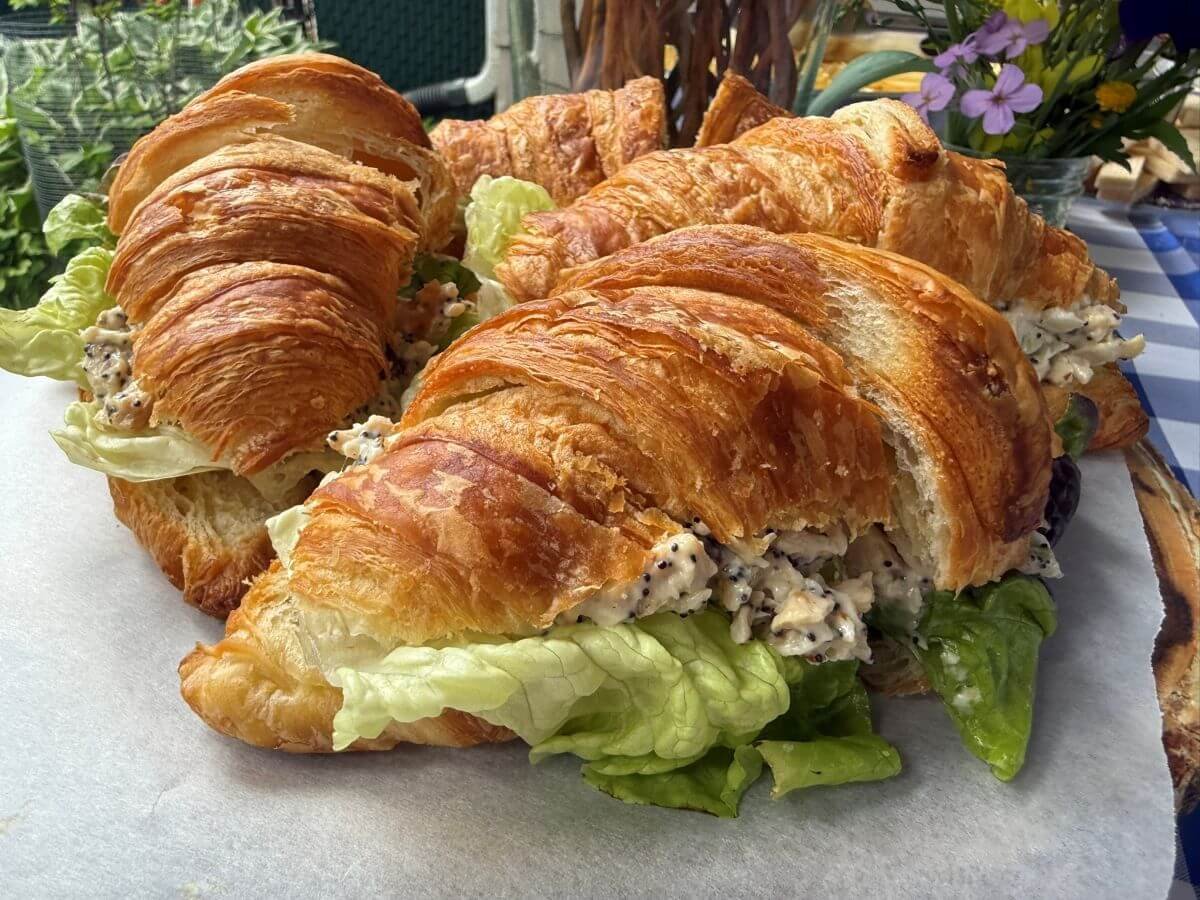
Cherry Chicken Salad on Croissants
Serves 6-8
Ingredients:
3 Boneless Chicken breast halves, chopped
1.25 Cups Mayo or Miracle Whip
½ Yellow onion, chopped
1/2 cup Dried cherries
1/2 cup Celery, chopped
1/2 cup Toasted almonds, chopped
1/8 cup Powdered sugar
2 Tbsp. Poppy seeds
2 Tbsp. Champagne vinegar
½ tsp. Salt
½ tsp. Black pepper
Croissants (or twice as many mini croissants)
(Optional) Head of red lettuce or butter lettuce
Vegetarian Version:
Just swap out 3 cups Chickpeas/Garbanzo Beans (drained and rinsed if canned) for the chicken.
Directions:
Cut each Chicken breast into big pieces- 3-4 per breast, to help speed up cooking.
Cook the chicken on the stove top as you prefer with either butter or olive oil.
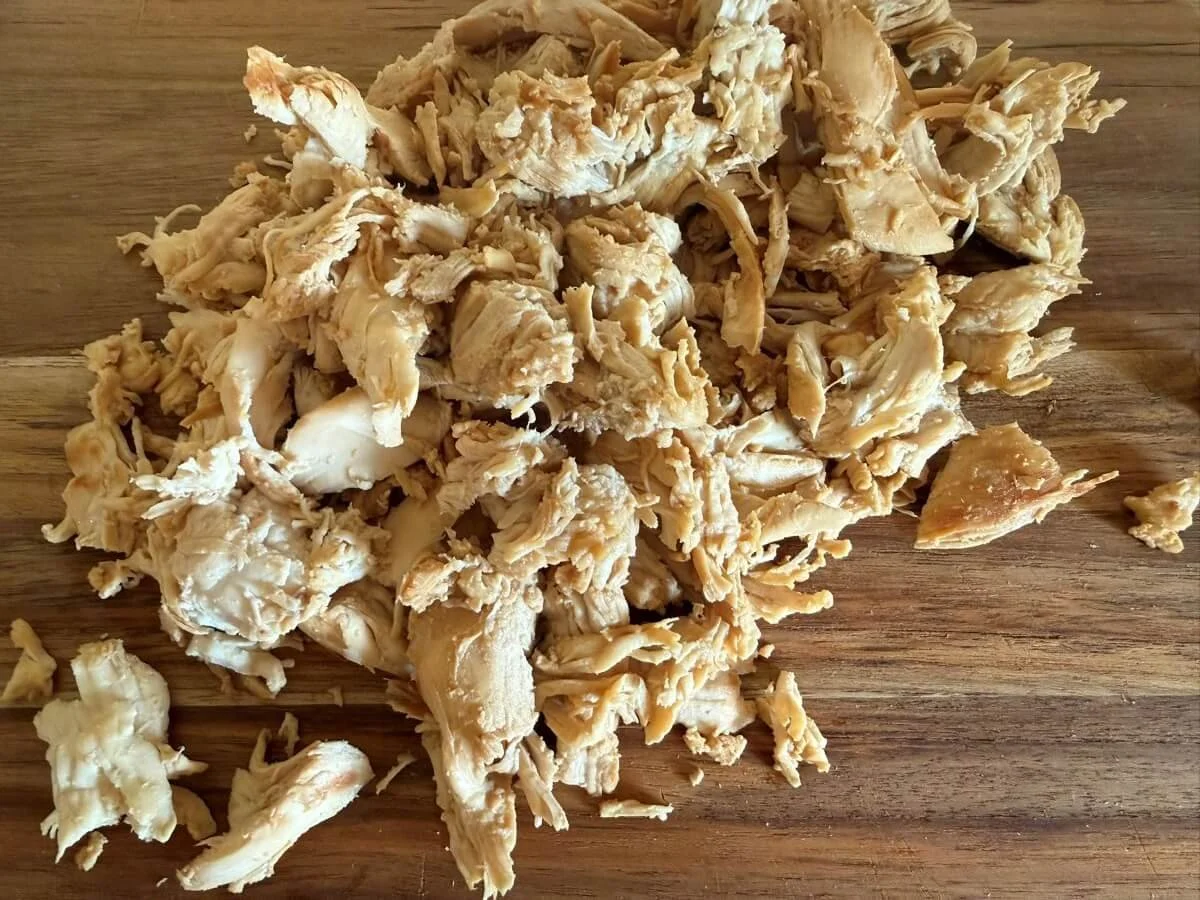
Shred the chicken or cut using a chef’s knife into small pieces.
Toast almonds in a pan on dry on medium for a 2-3 minutes, stirring occasionally and remove from heat. (Or can buy roasted and salted almonds also- just leave out adding the extra salt).
Crush the almonds by placing inside a double sandwich bag and a rolling pin or tenderizing mallet.
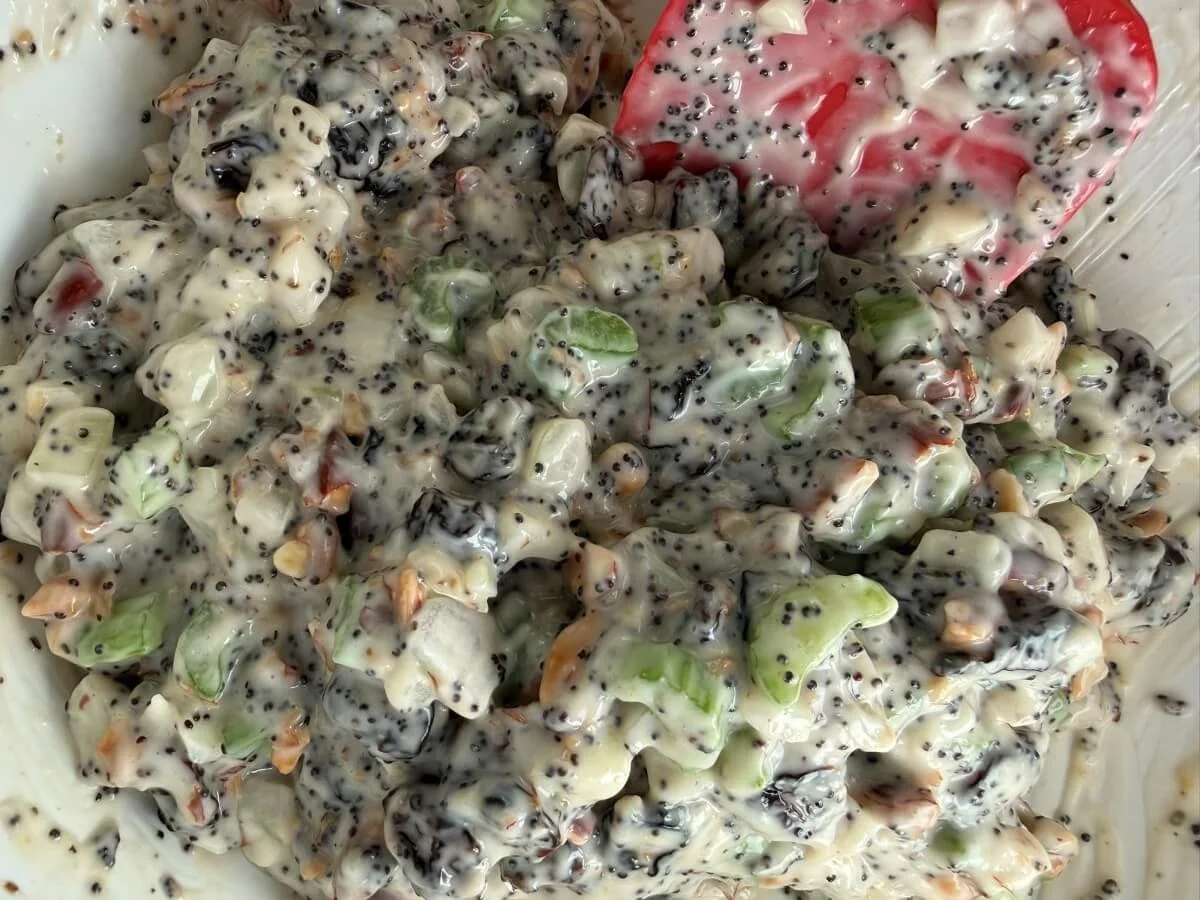
Combine all ingredients beside the Chicken.
Add in Chicken and mix.
Spread on croissants (with optional red or butter lettuce as a base to help keep bread dry.
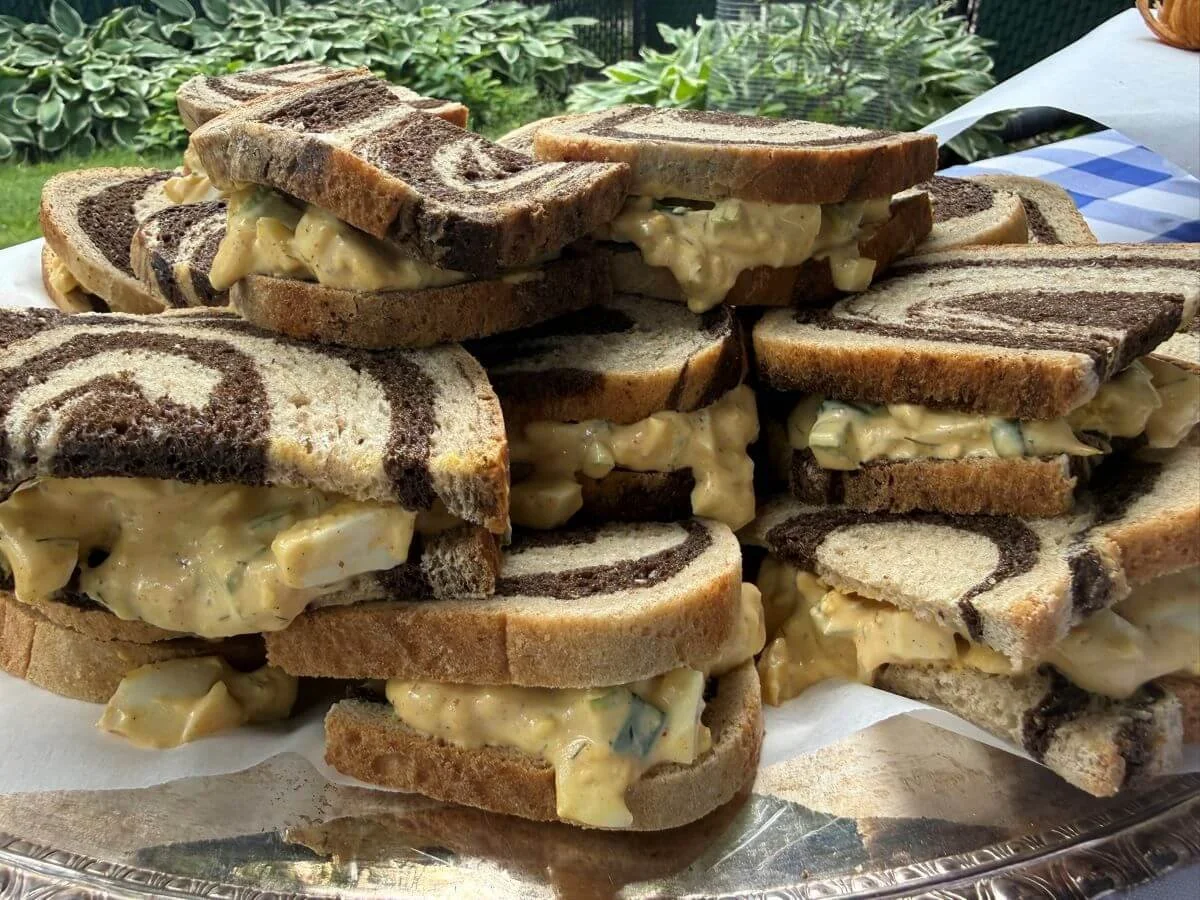
Egg Salad Sandwiches on Marbled Rye & Pumpernickel
Serves 4-6
Ingredients:
6 Eggs
1/3 cup Mayo or Miracle Whip
¼ cup Celery, chopped
2 Tbsp. Yellow onion, chopped
(Optional) 2 Tbsp. Green pepper, chopped
Pumpernickel loaf bread (or Marbled Rye)
Directions:
Hard boil the eggs (For easier peeling- bring the water to a boil first, then put in the eggs. Upon removal, plunge the eggs into an ice bath. The temperature difference causes the eggs to contract from the shell).
Shell the eggs and mash
Dice veggies
Add all ingredients together
Serve on sliced bread
Cut diagonally into 2 halves
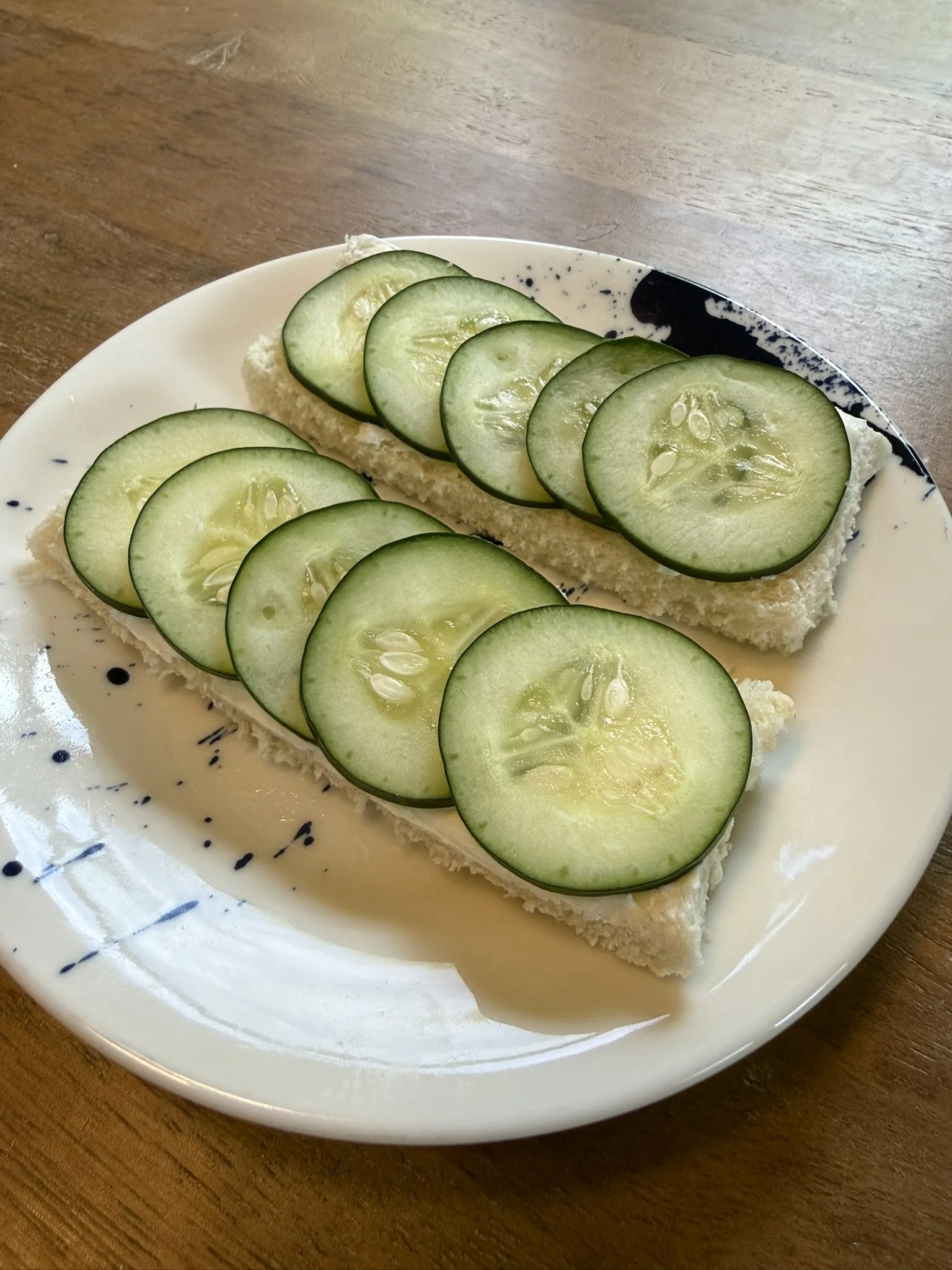
Open Face Cucumber Sandwiches
Serves 5
Ingredients:
½ Loaf white bread
8 oz. Cream cheese
1 Cucumber
1 tsp. Fresh Dill
Directions:
Cut the crusts off the bread.
(Optional): Using a peeler, peel a thin strip of the skin 3-4 times around the cucumber before cutting to create a contrasting stripes).
Slice cucumber (absorbing as much moisture as possible with a paper towel).
Combine Dill with cream cheese.
Spread the cream cheese onto a slice of bread.
Arrange cucumber slices on top, overlapping each by half.
Cut into long rectangles (2/piece of bread) and cover until ready to serve.
Kids’ Adaptations
Tea Parties With Young Guests
Hosting tea doesn’t need to mean stuffy or just with adults. Some of my favorite teas I’ve hosted have been with my children or niece and nephews. They love the pomp of it all, and appreciate feeling fancy just like we do. Here are some classics that can easily be styled up and either added or swapped out for some certain savory menu items.
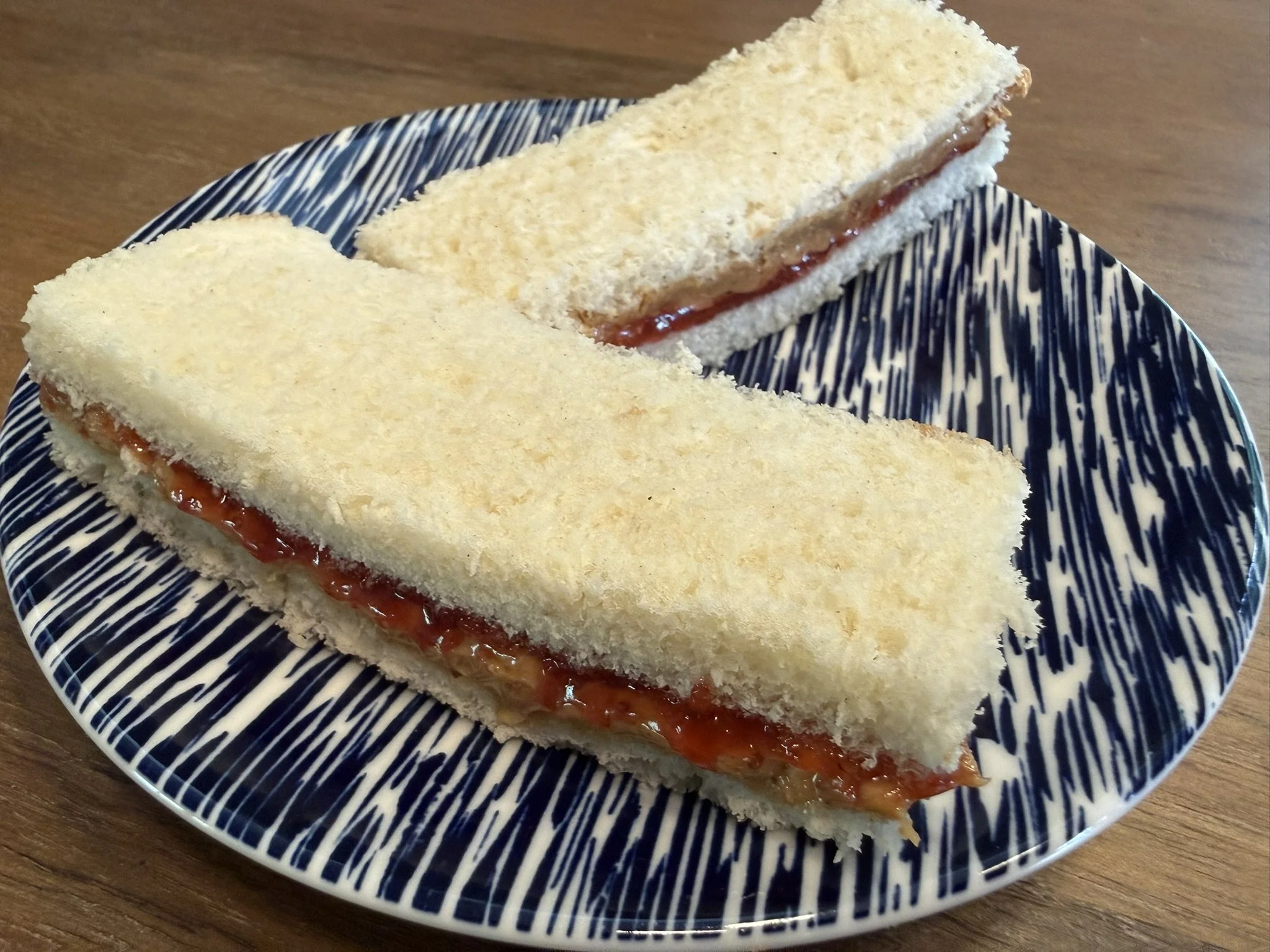
Fancy Peanut Butter & Jelly
No directions needed here. Just your or your young guest of honor’s favorite jelly or jam.
Serving in Style:
Cut off crusts and then in long rectangles (2 per sandwich)
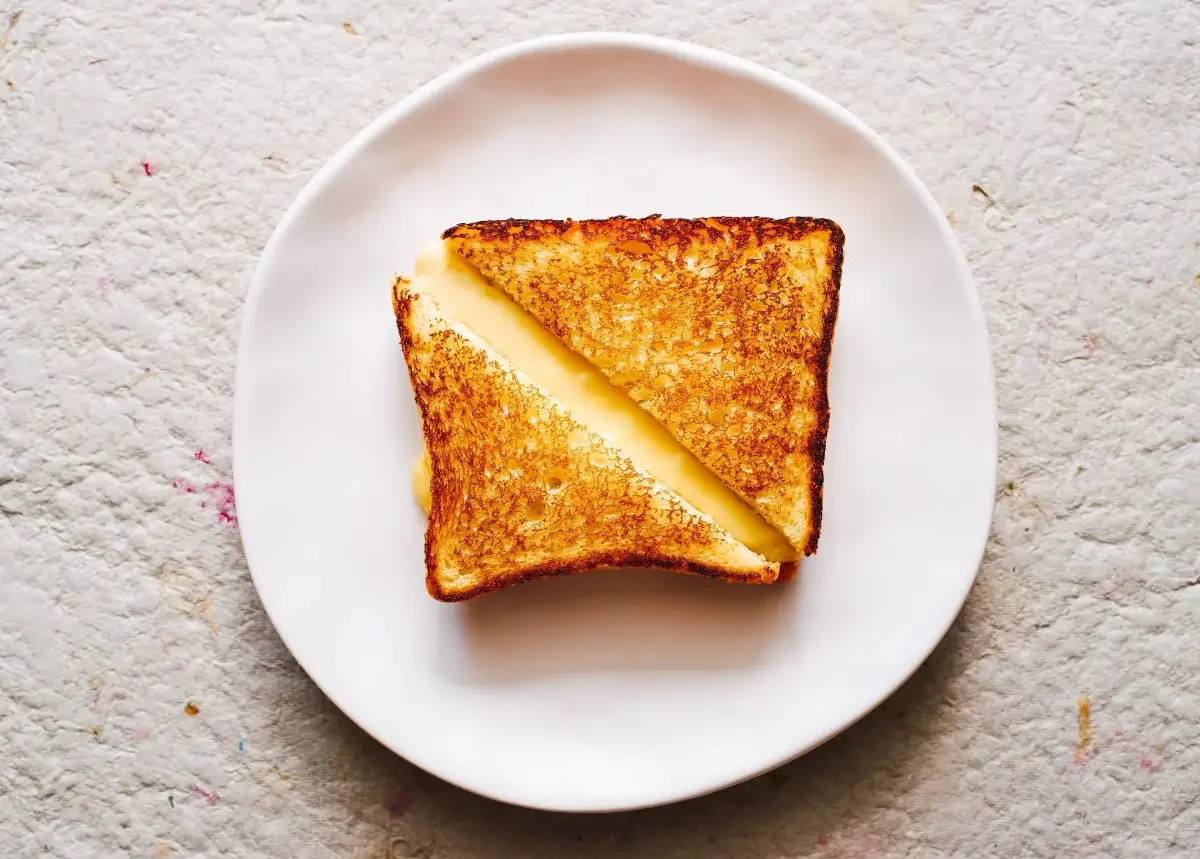
Classic Grilled Cheese
Ingredients:
White or wheat loaf bread
Your favorite cheese variety
Directions:
Essentially grilled cheese- but without the butter/dark grilling. The bread gets lightly toasted in the pan while the cheese melts. Flip as normal.
Serving in Style:
Cut in half diagonally, and optionally again to form 4 triangles.
Another option: Use a circular cookie cutter (or any fairly simple shape) to create a perfect circle and win their hearts by eliminating the crust at the same time.
Accompaniments
What to offer
For the Tea:
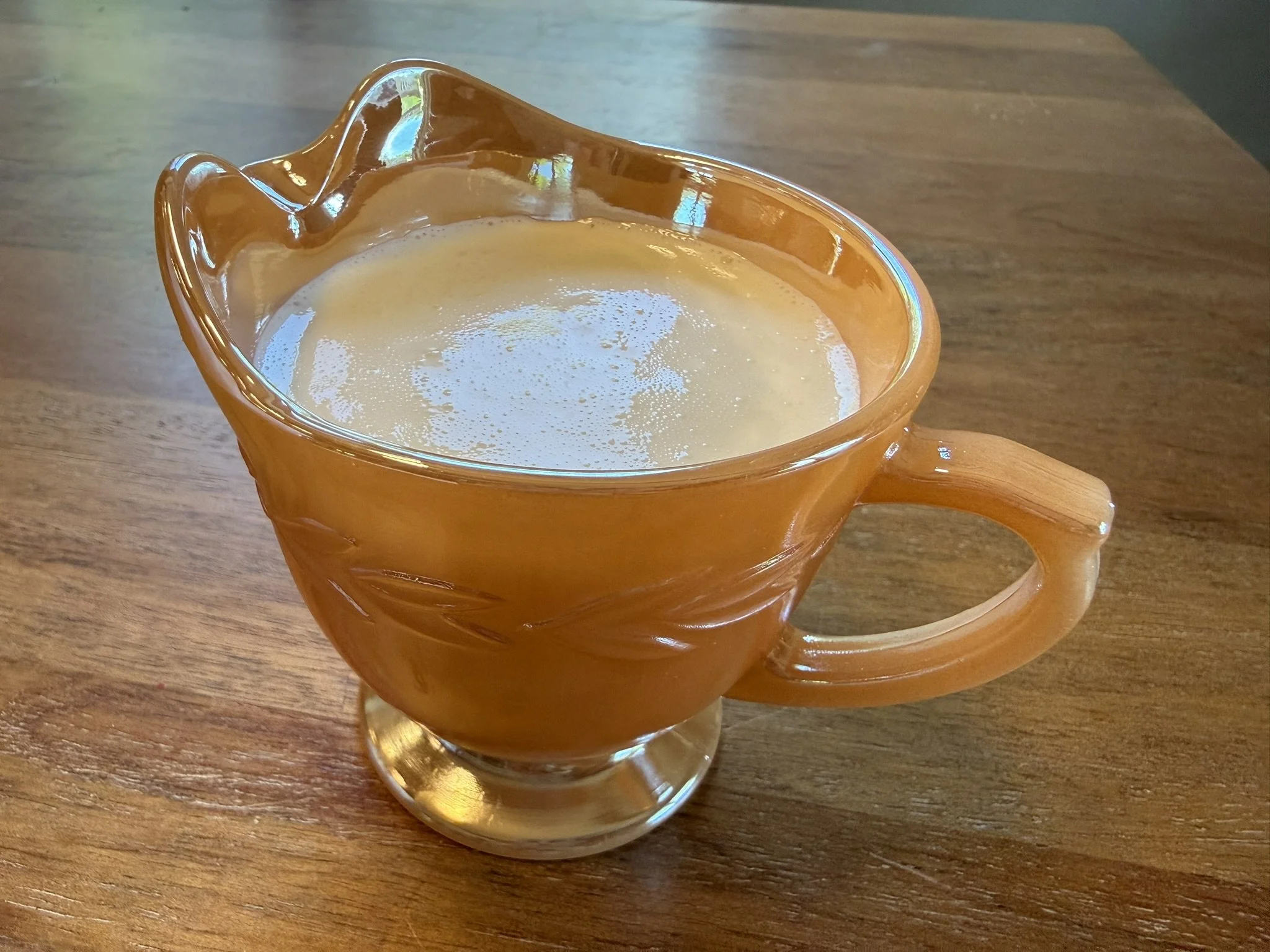
Cream
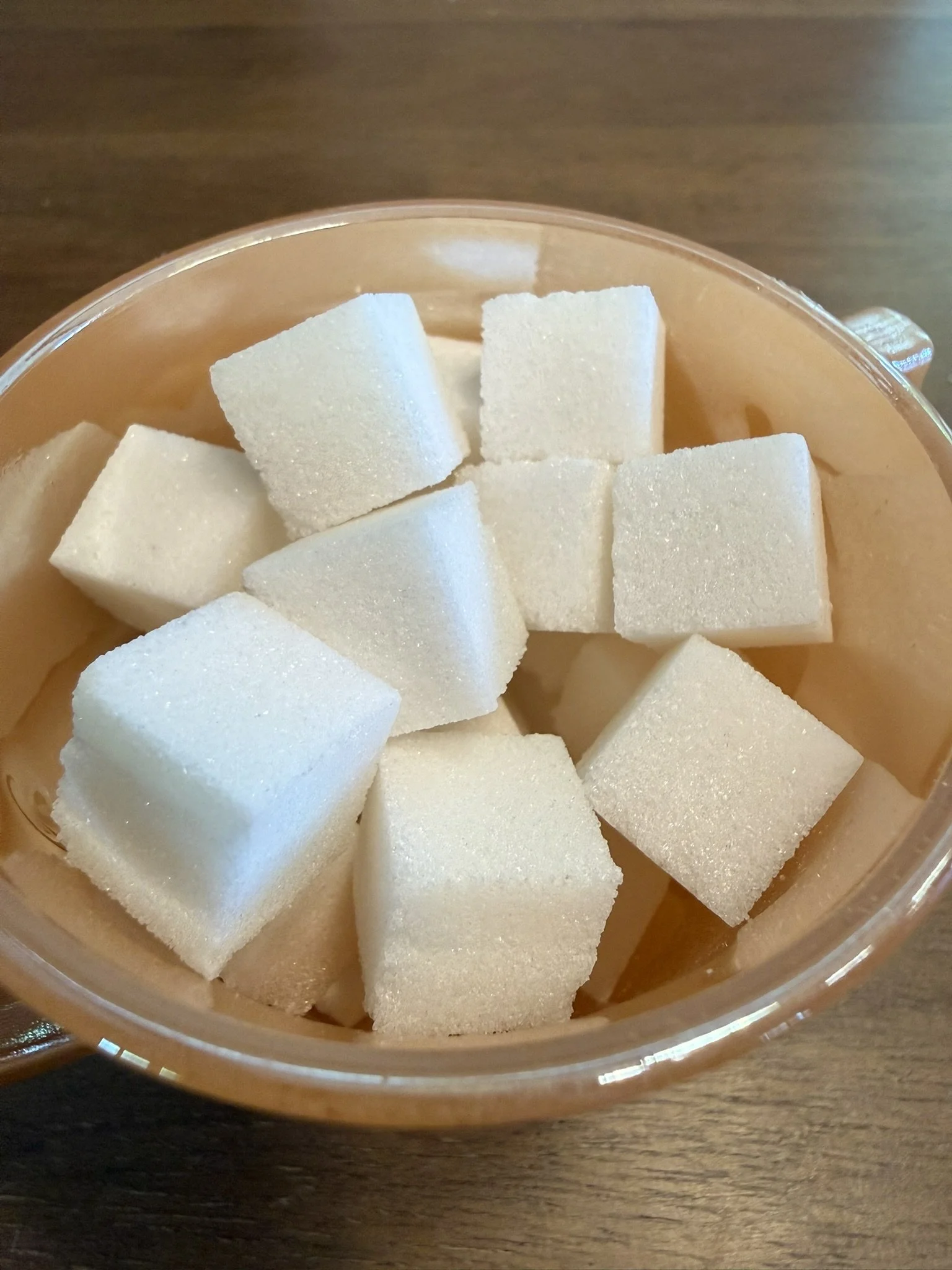
Sugar Cubes
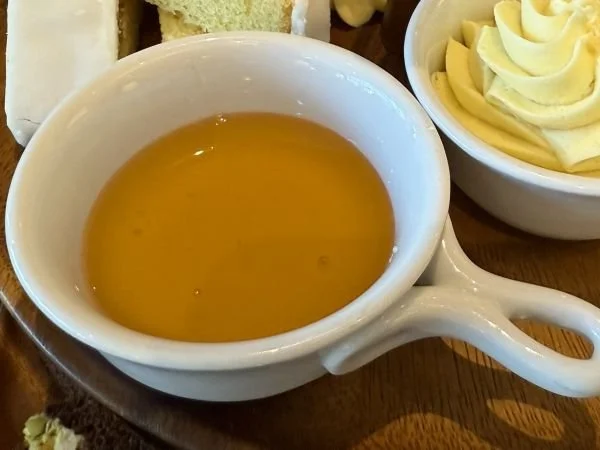
Honey
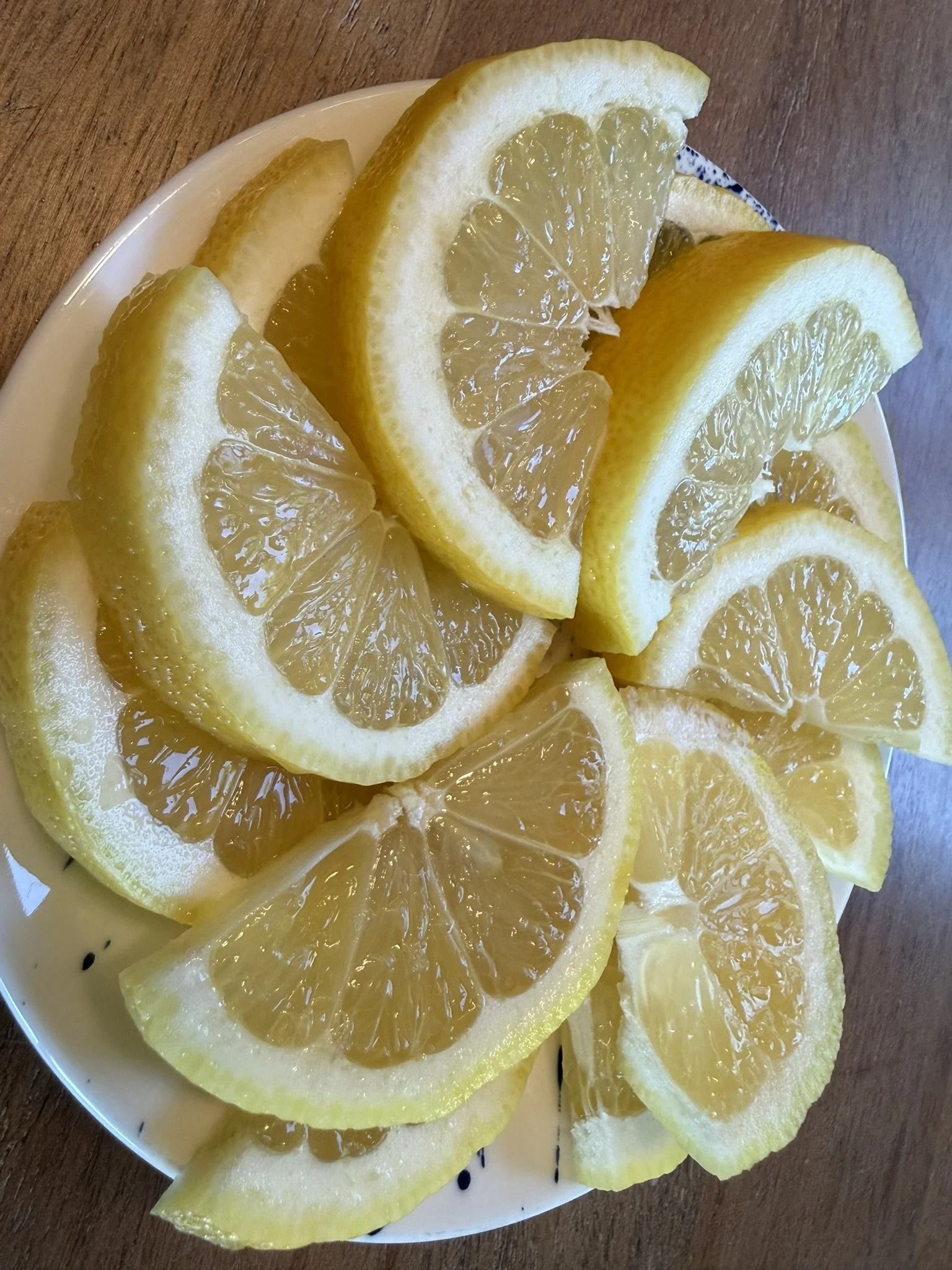
Lemon Slices
If offering plain scones or additional menu offerings of your own choosing:
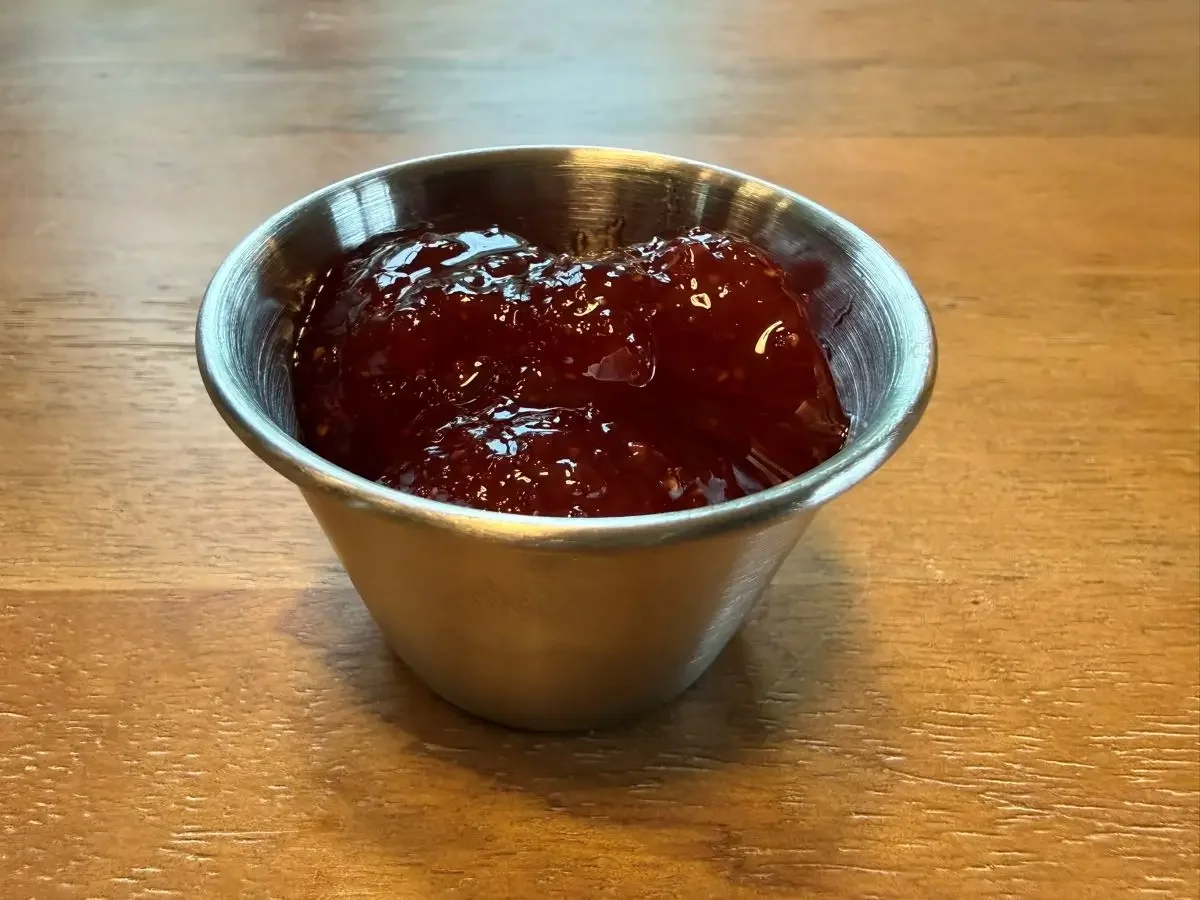
Jam or Jelly
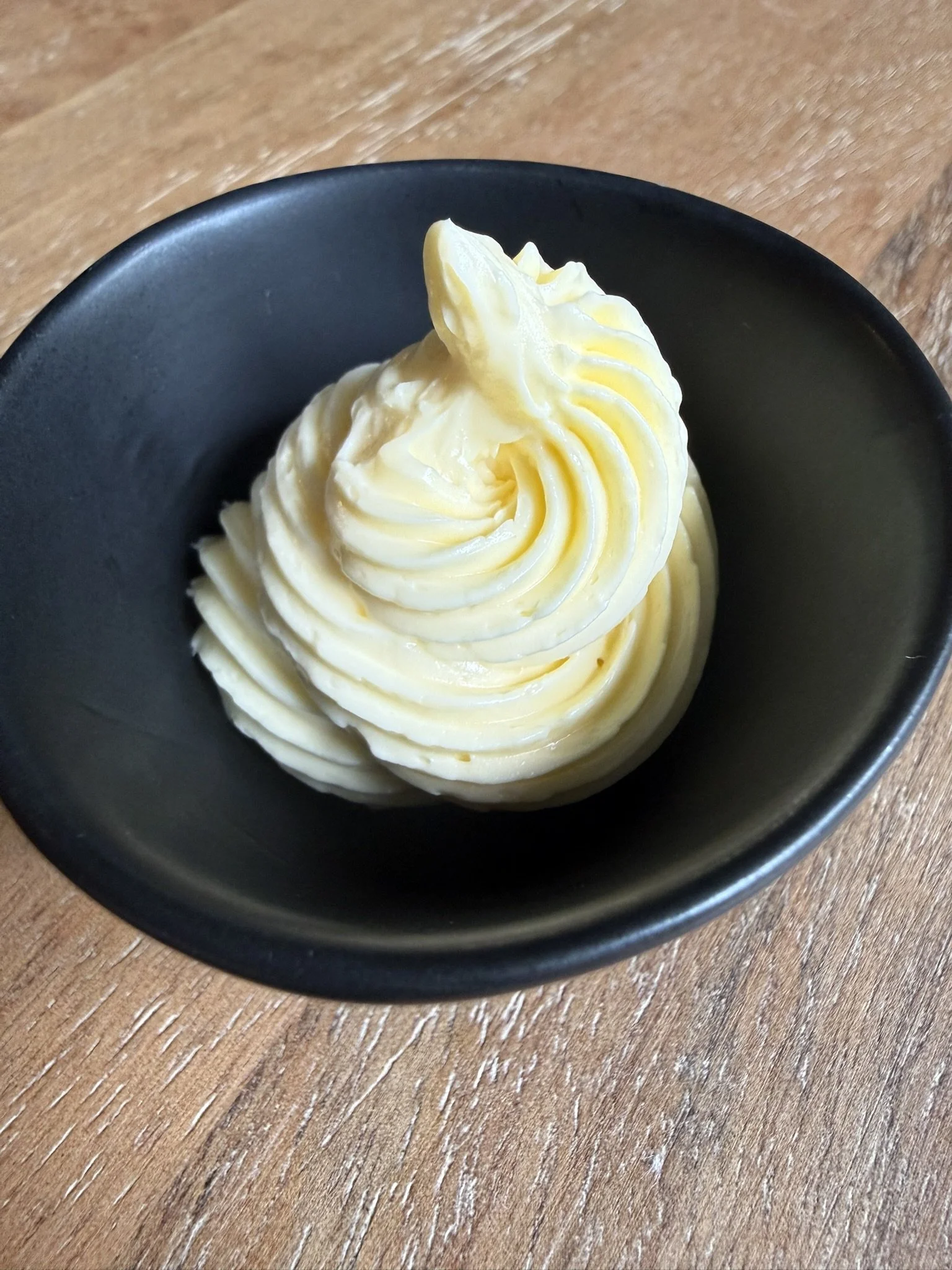
Whipped Butter
You can certainly go easy on yourself and go with regular cream, honey, sugar, butter. For a fuss-free experience, by all means go easy. But if you want to add flourishing touches- I guarantee you will have guests complimenting the detail.
Serves 8
Ingredients:
2 Sticks butter - softened to room temperature
3 Tablespoon milk or cream
(Optional) - For this menu, plain is probably best, or citrus zest. For another occasion- adding herbs, cinnamon, maple syrup, or flavored oils like truffle oil can be delicious.
Directions:
Beat butter on low 1-2 minutes
Gently add in liquid and whip on med-high for 4-6 minutes.
If wanting to add sweet or savory flavorings- do so now and mix.
Serving in Style:
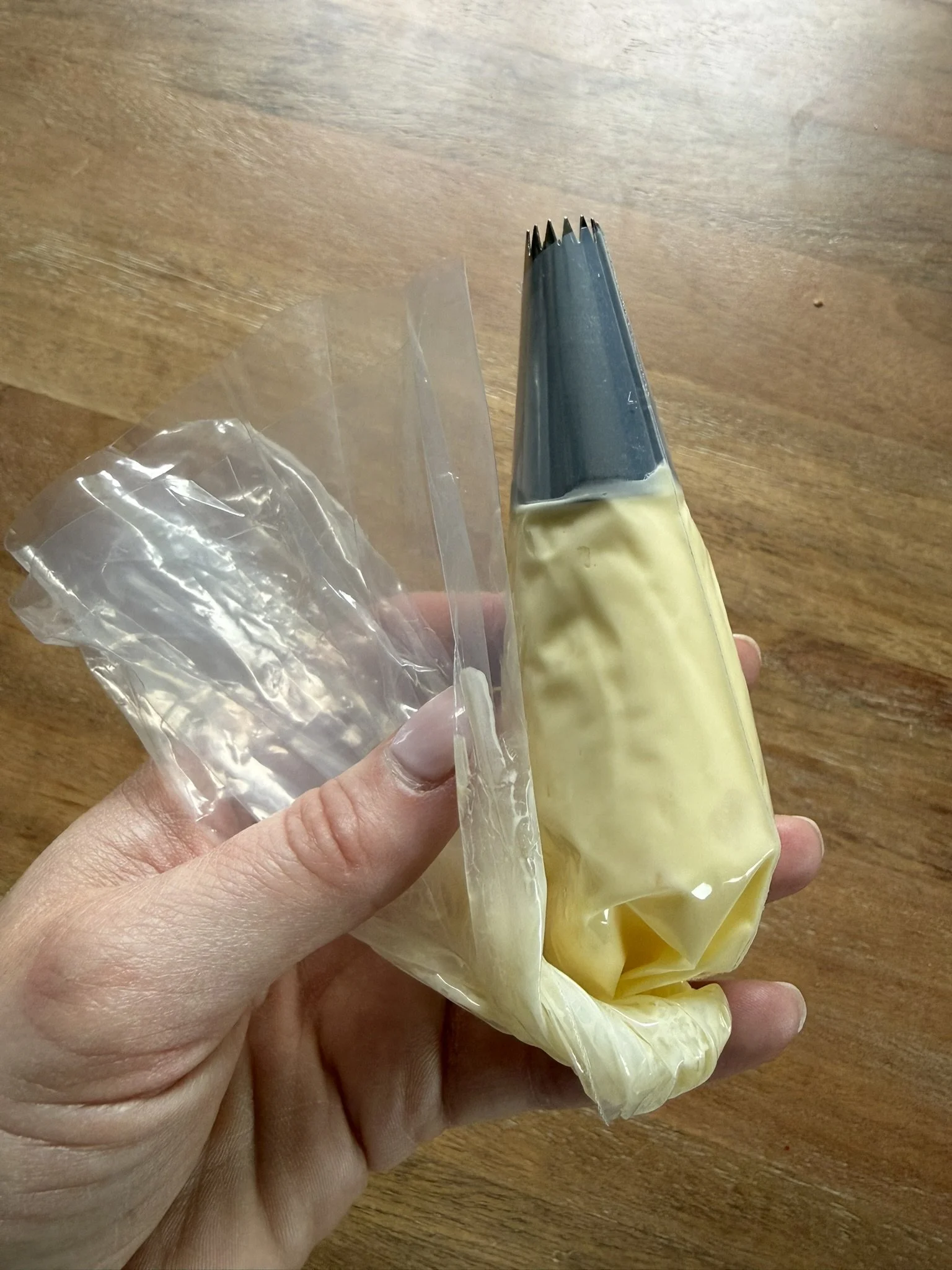
Place whipped butter in a piping bag, fitted with a decorative tip. Whether in a larger bowl or individual sauce cups, fill with the piping bag for a polished appearance.
Useful more often that you would think: Small serving tongs
Smart Hosting - Outsource the Rest
Store-bought Pastries & Desserts
Choose from a variety of your favorites that are putzy to make and honestly look better when made professionally anyway.
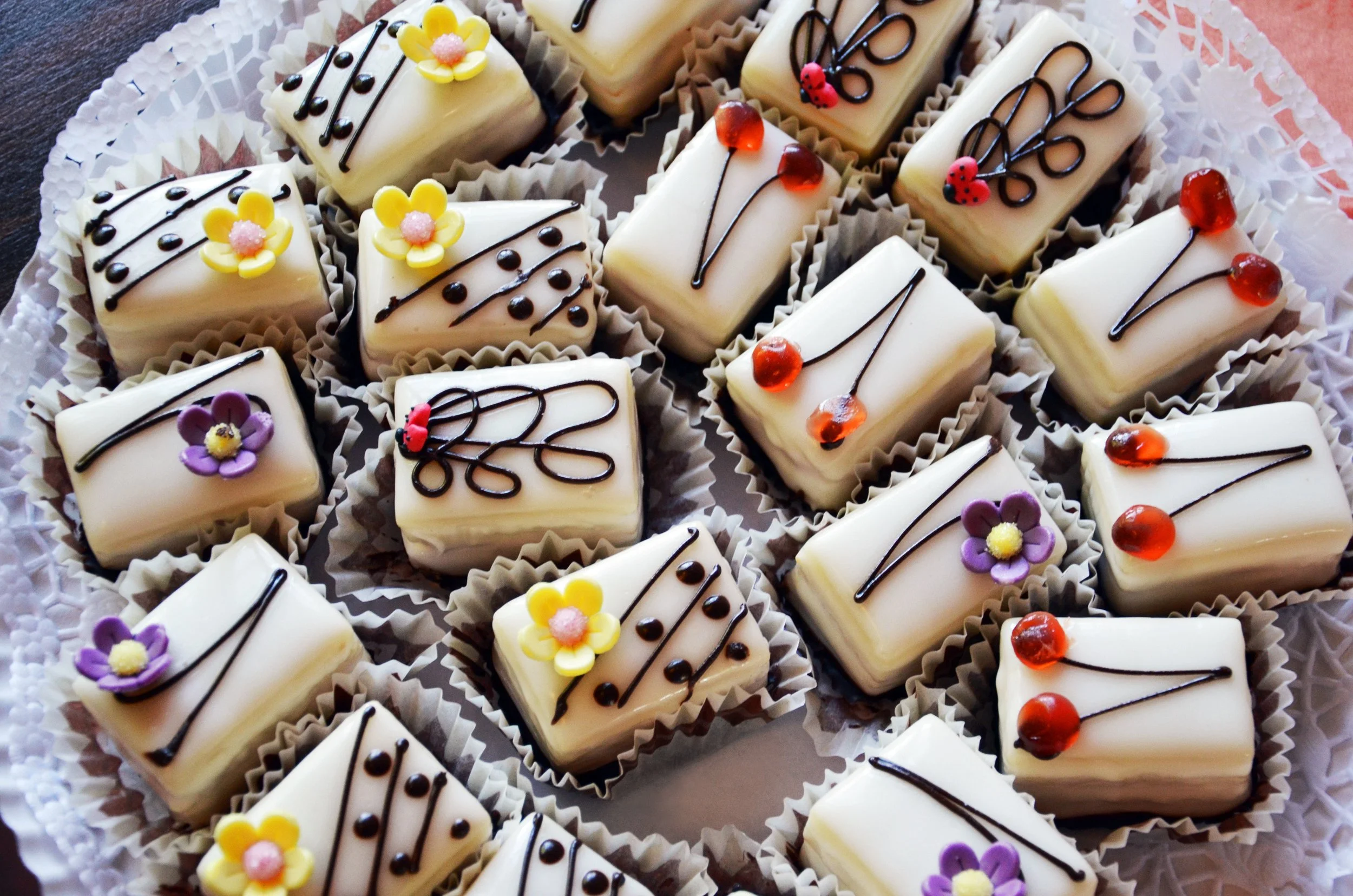
Petit Fours
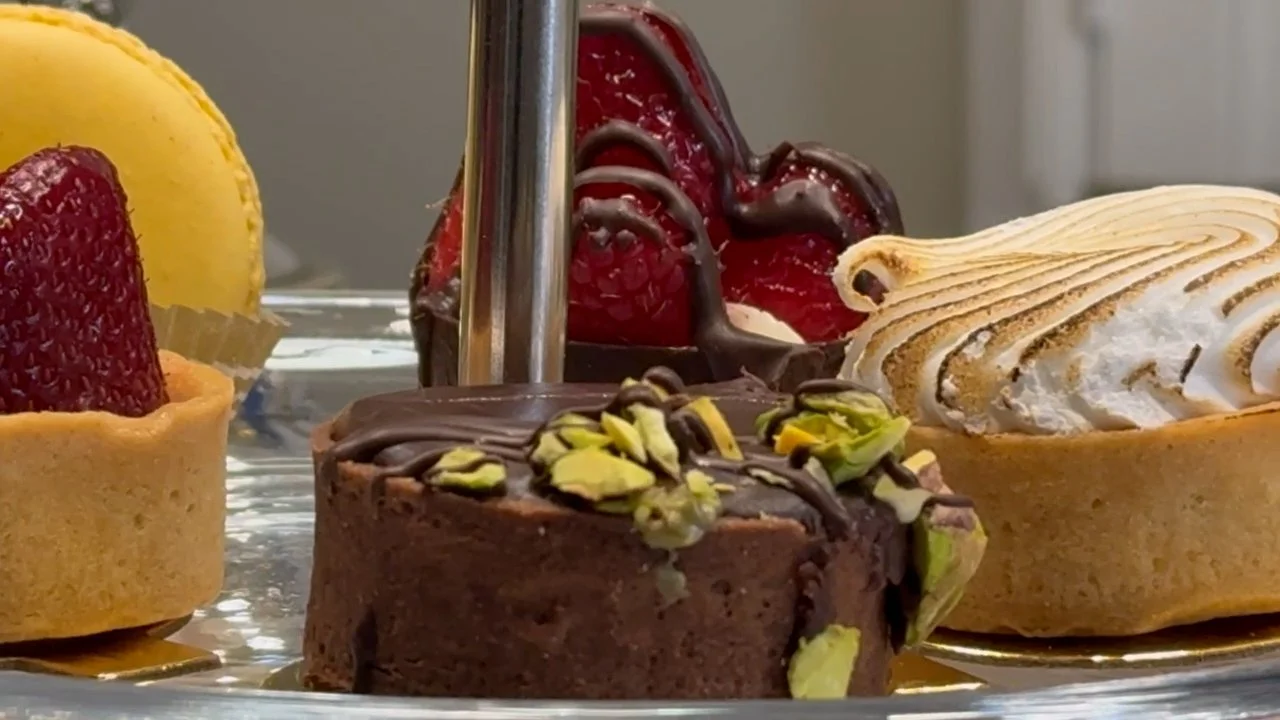
Chocolate Ganache
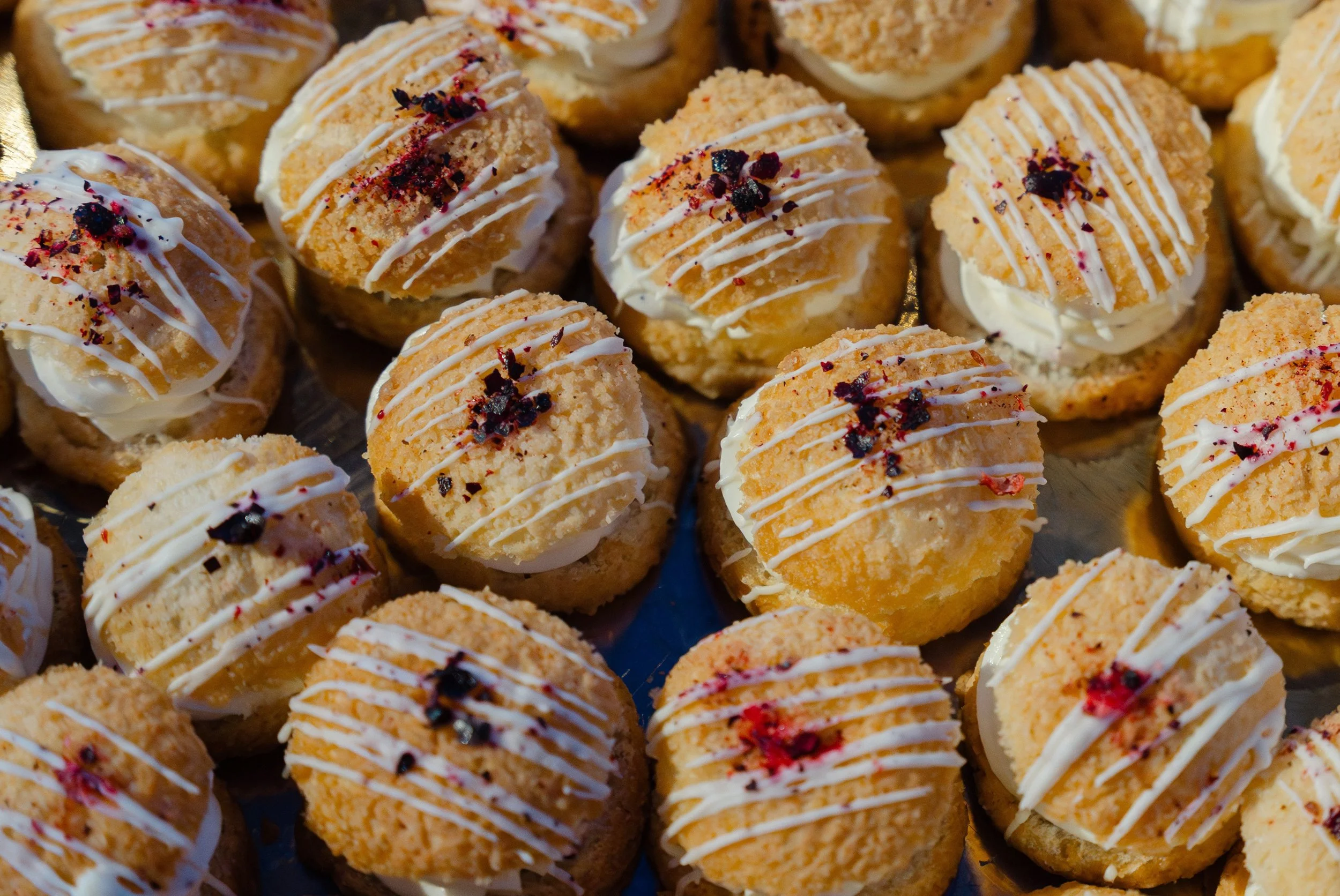
Puff Pastries
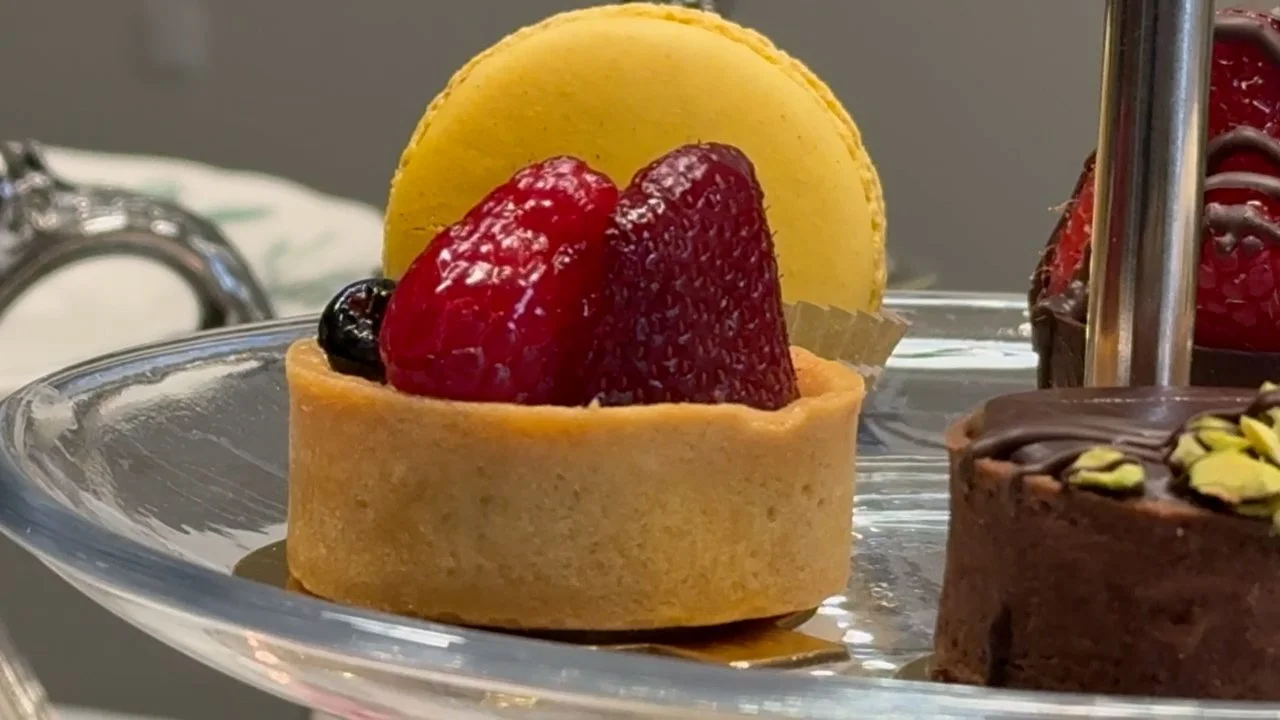
Fruit Glaze Tarts
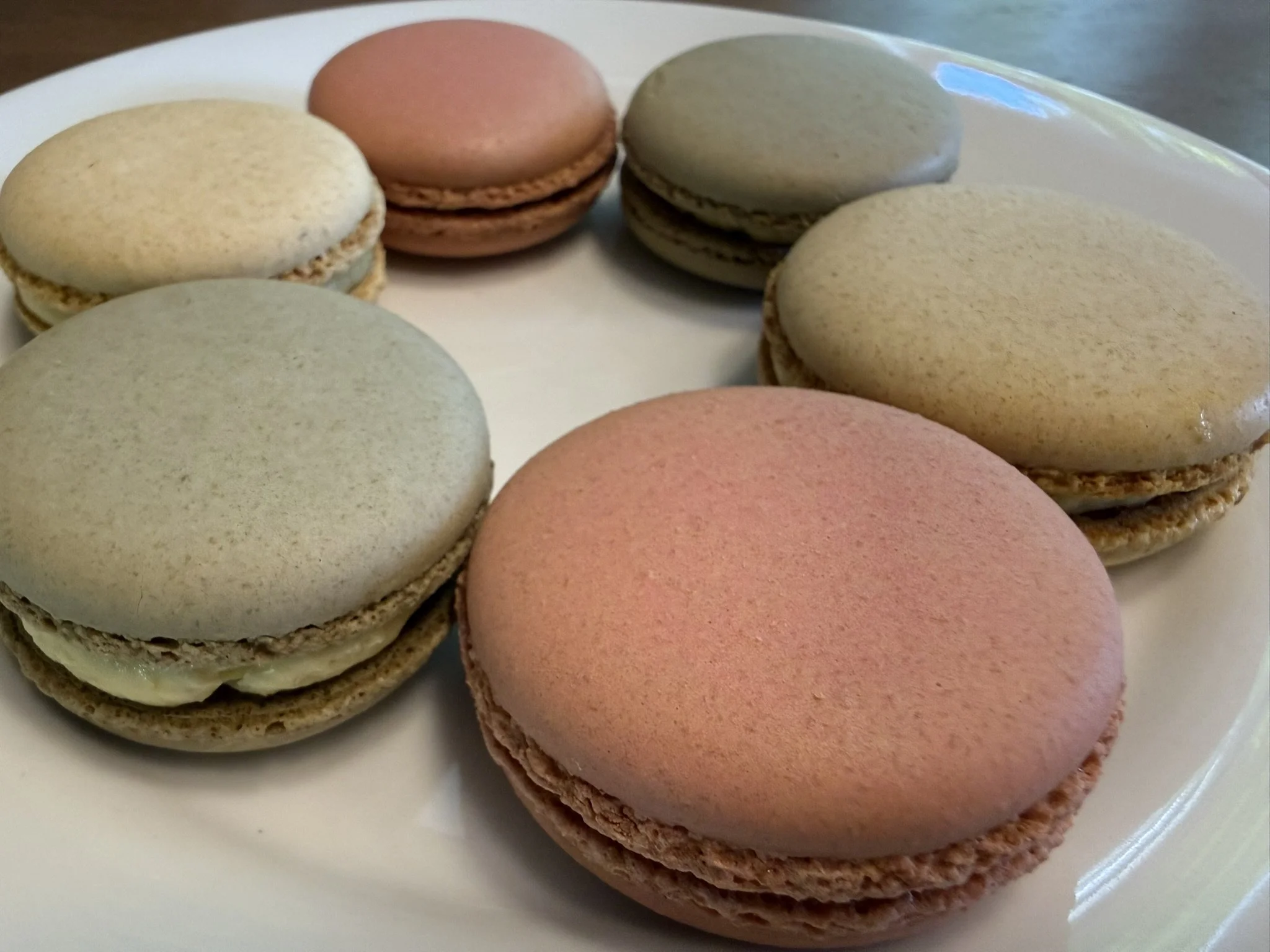
Macarons
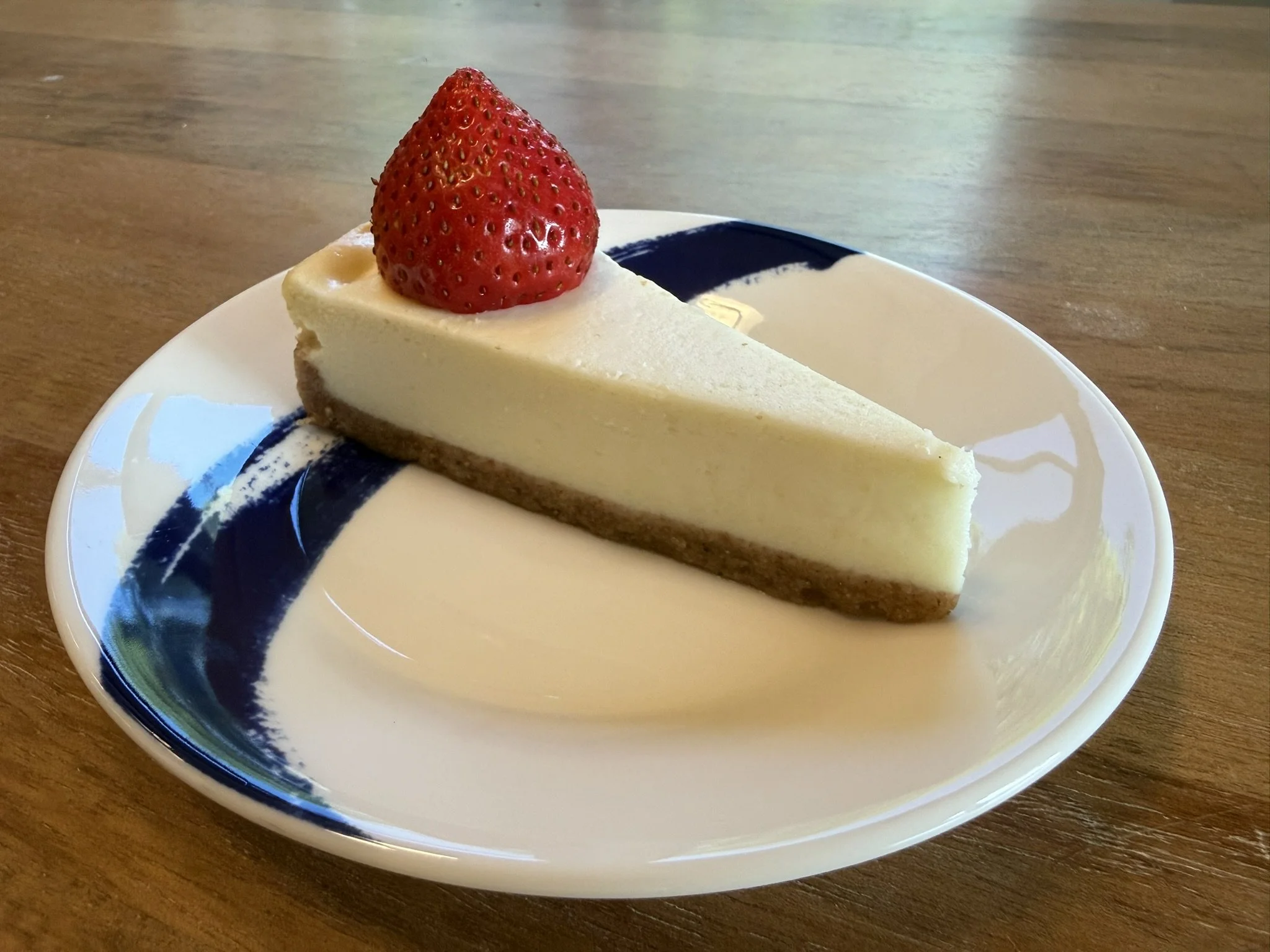
Cheesecake
Tiers of delicate pastries. The floral aroma of steeping tea. Intriguing conversation. Afternoons this enjoyable should be a tradition.
Another posh day: